


Protection that holds across the life of a rail platform
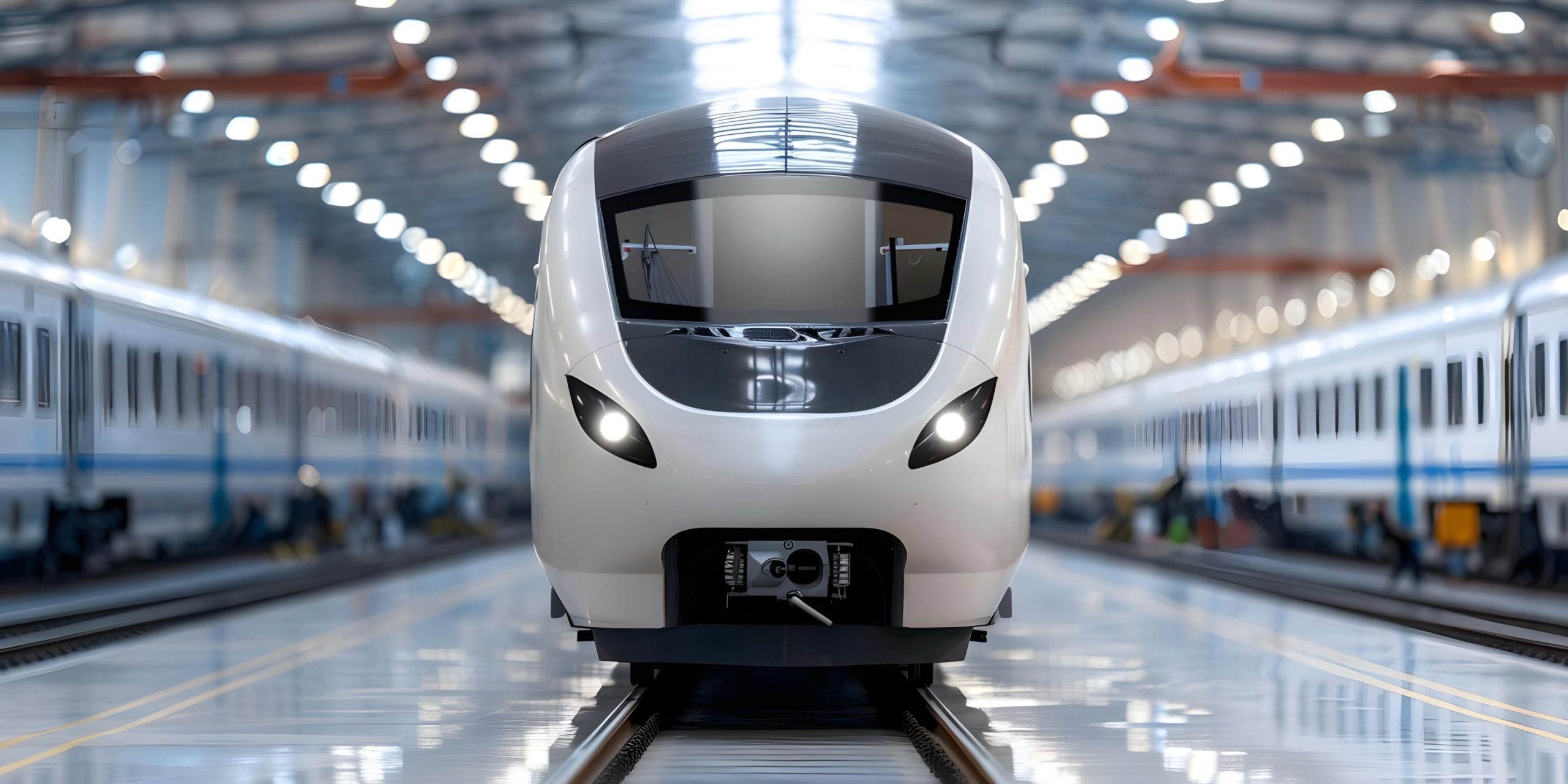
A rail platform runs for decades. Its insulation has to hold through fire standards, refits, supplier audits and every generation that follows. Pinta engineers thermal, acoustic and fire-safety-relevant systems inside rolling stock — from design stage through qualification, serial production and requalification.
Rail expertise
Rail projects leave little room for a material chosen in isolation. A part has to fit the vehicle, the fire requirement, the weight budget, the acoustic target and the way it will be installed — then keep doing so as the platform develops. Pinta works with rail teams before the specification is frozen, building insulation systems around the vehicle and carrying them through qualification, production and the next platform generation.
Certificates


Rail applications where every detail matters
From urban vehicles to high-speed rail, the application sets the requirement. Pinta adapts the insulation system to the vehicle, the operating environment and the production sequence.
Thermal and acoustic protection designed for compact floor builds, passenger comfort and repeatable installation.
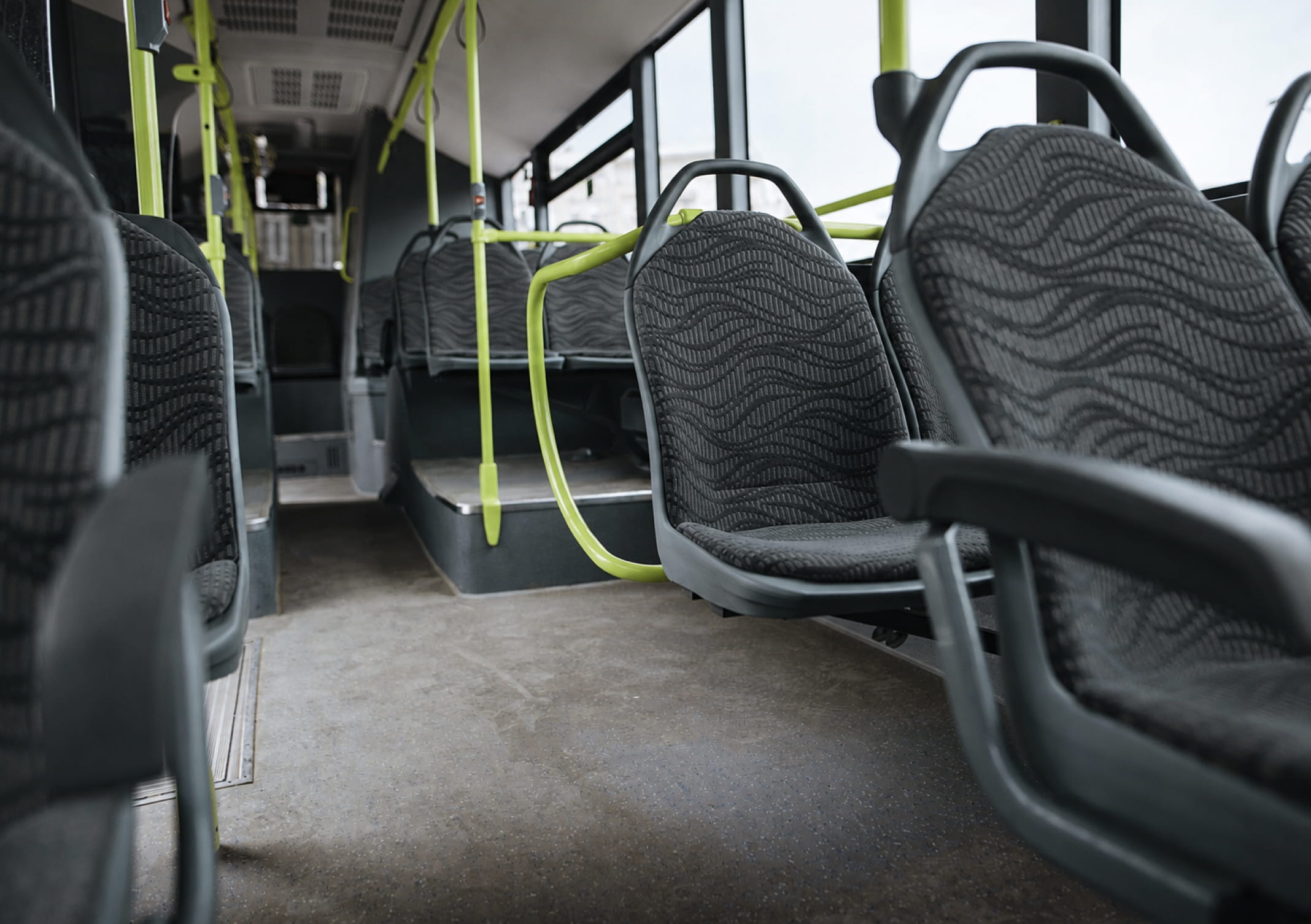
Insulation systems that bring fire, thermal and acoustic requirements together across repeatable fleet configurations.
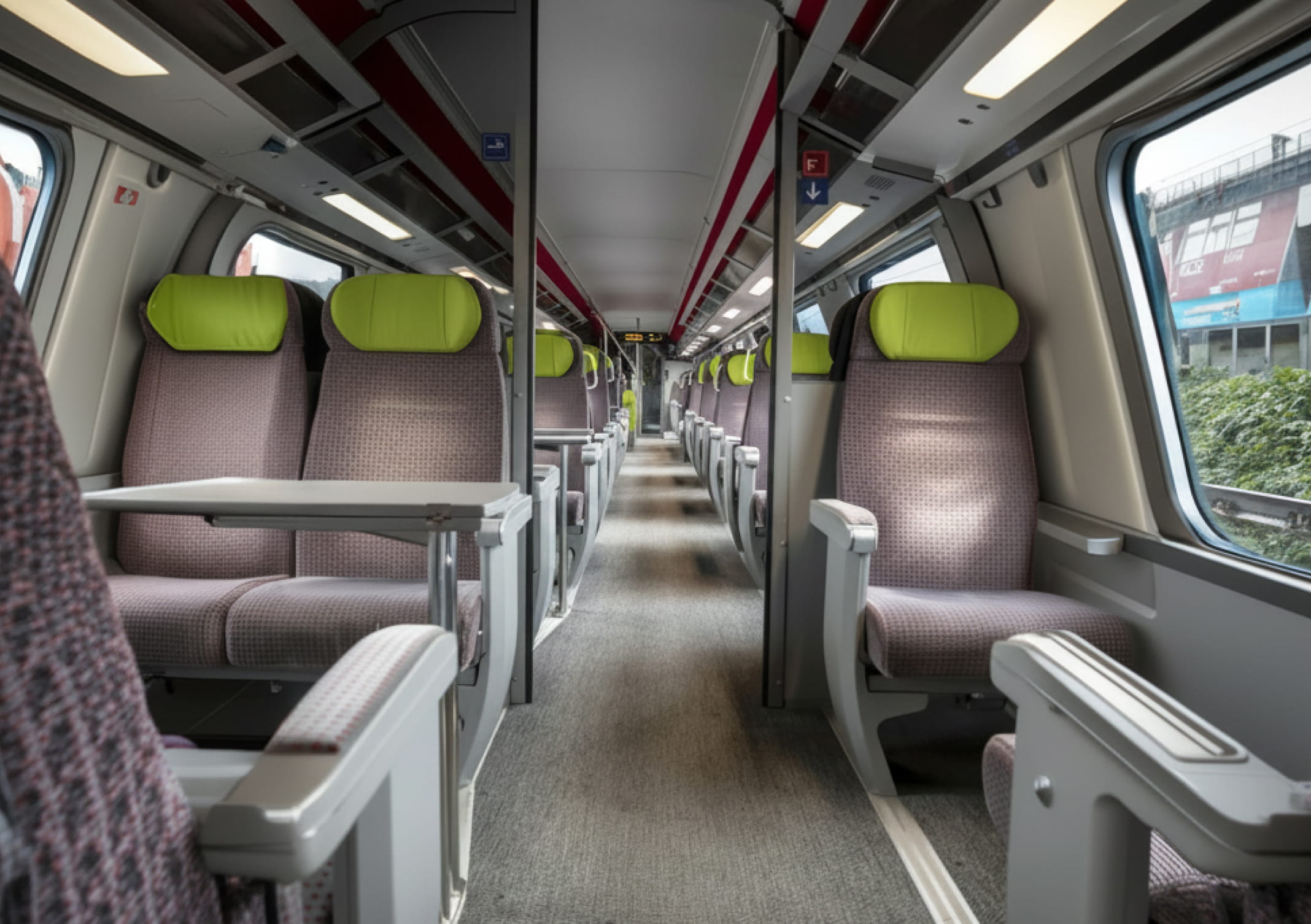
Compact solutions for trams and metro vehicles, where packaging, vibration and passenger exposure meet.
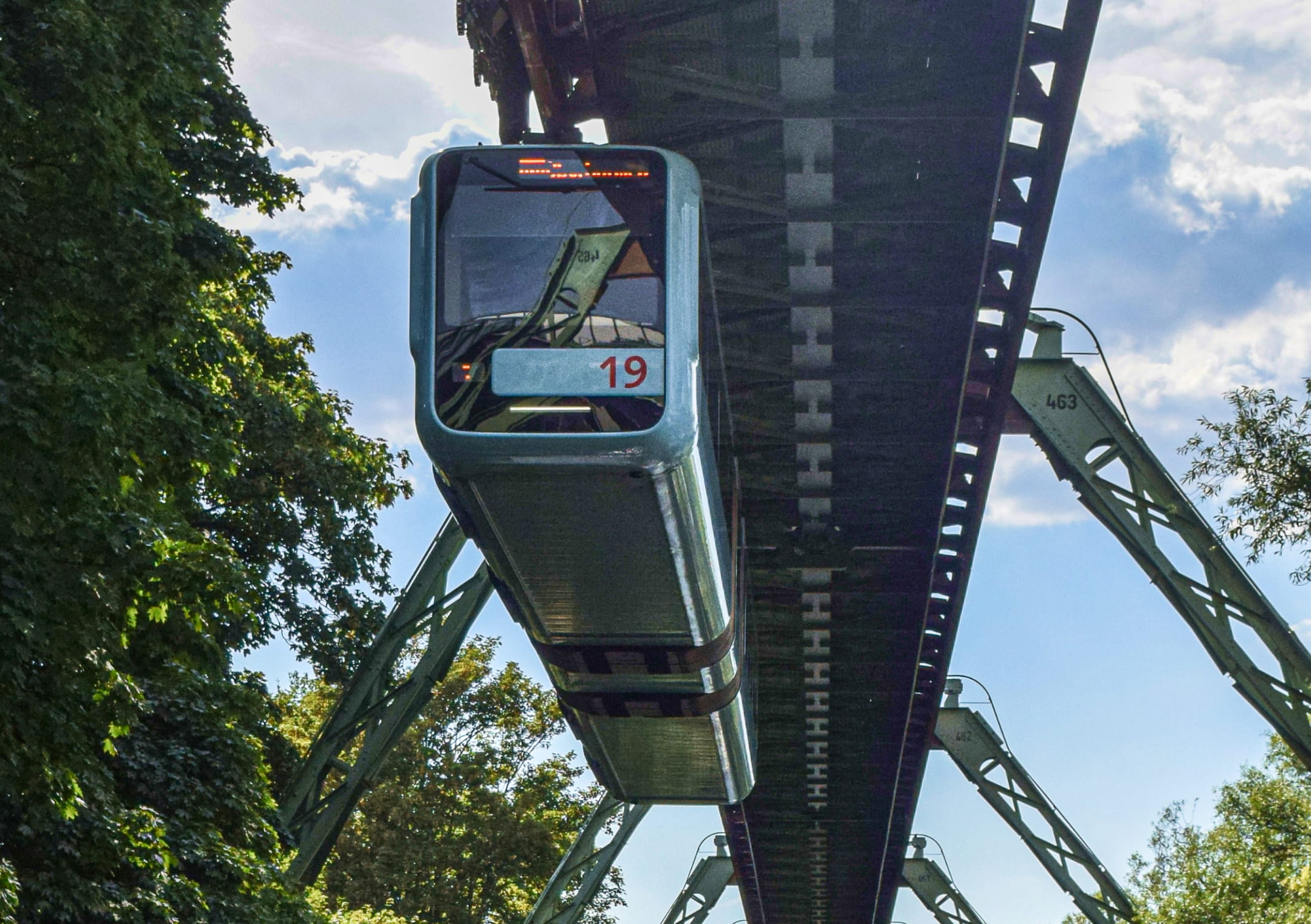
Lightweight protection shaped around unusual vehicle geometry and installation constraints.
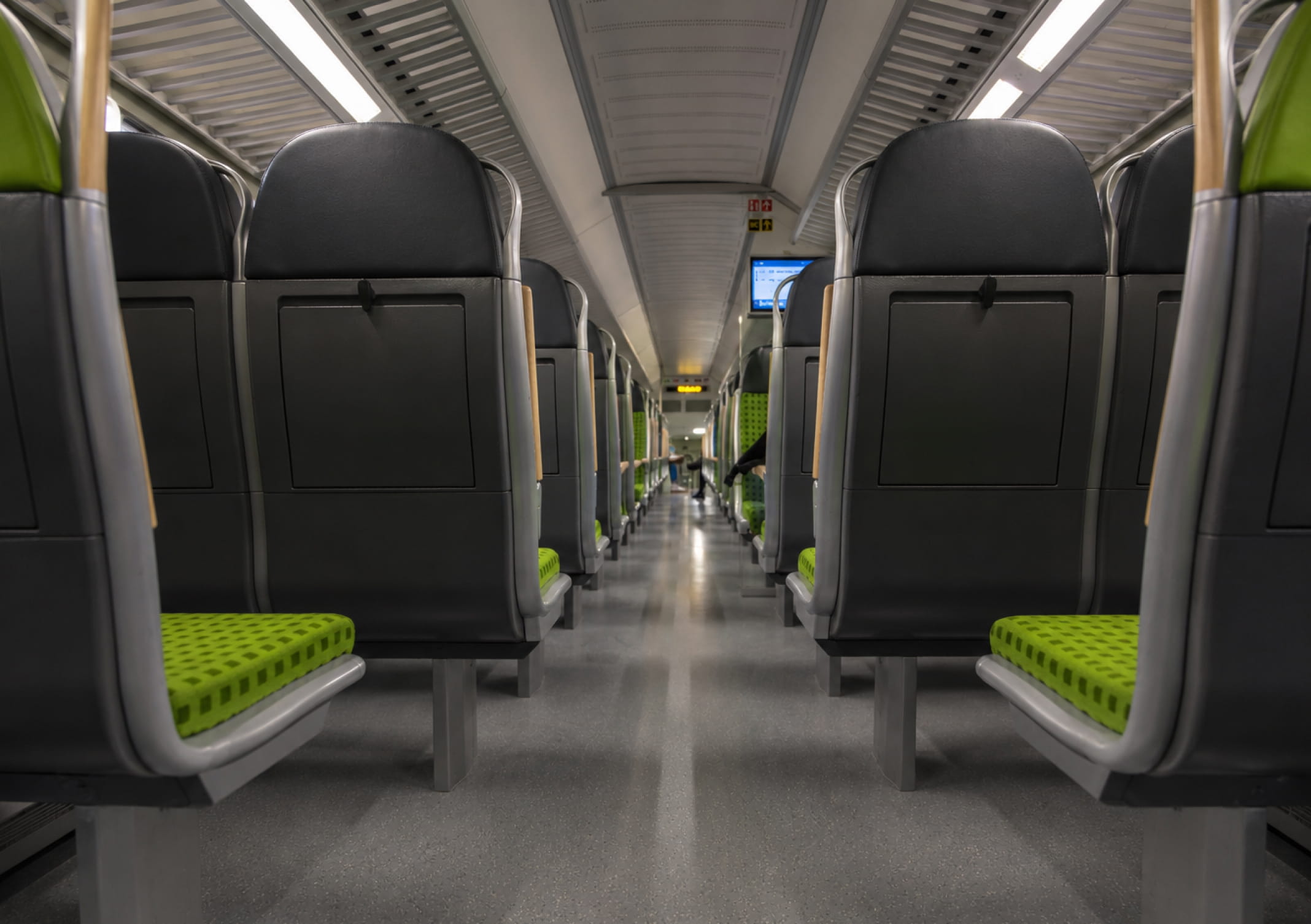
Component systems adapted to interfaces across multi-car platforms and serial assembly.
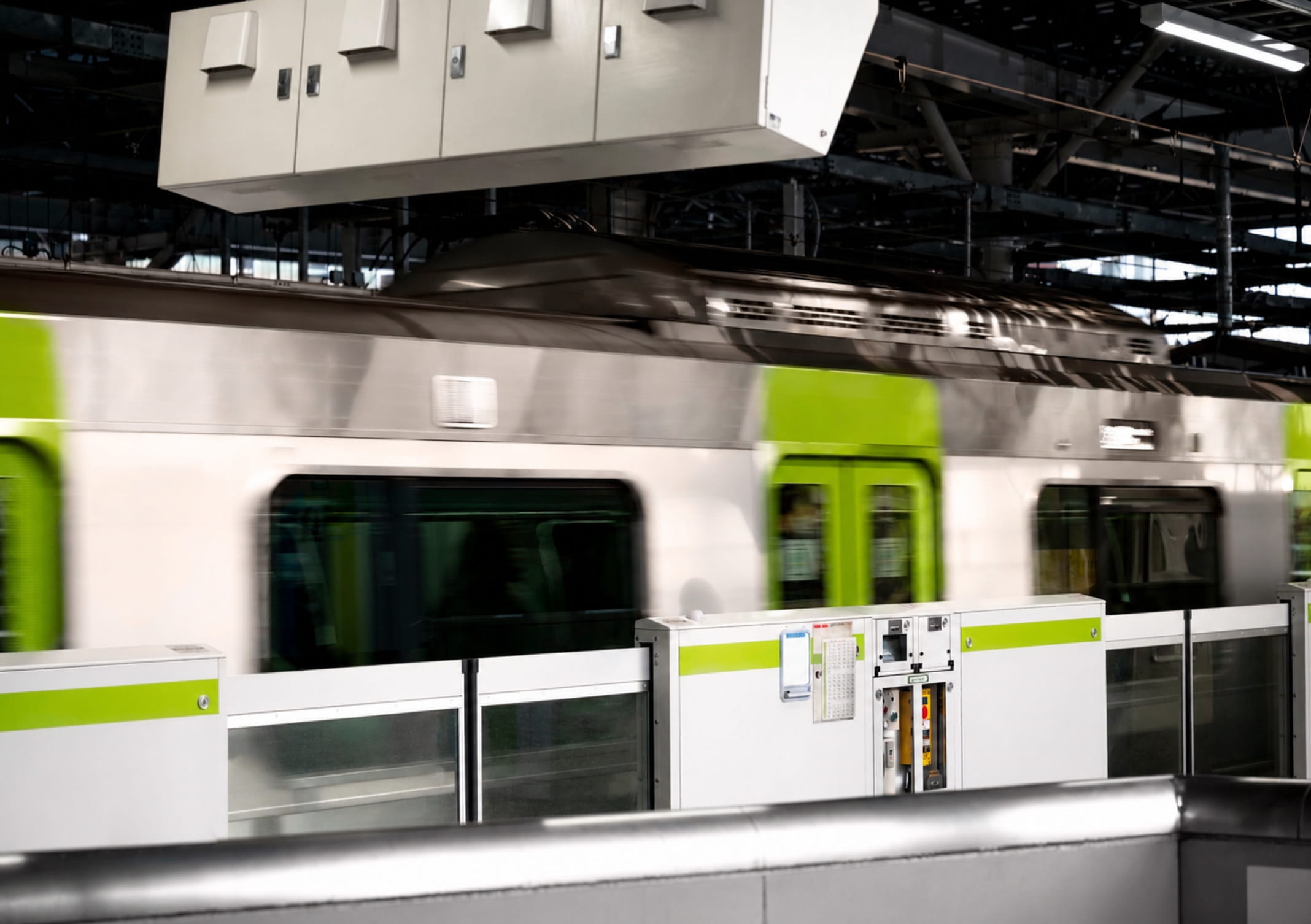
Cabin and equipment-zone protection for long-distance vehicles, built around comfort and lifecycle requirements.
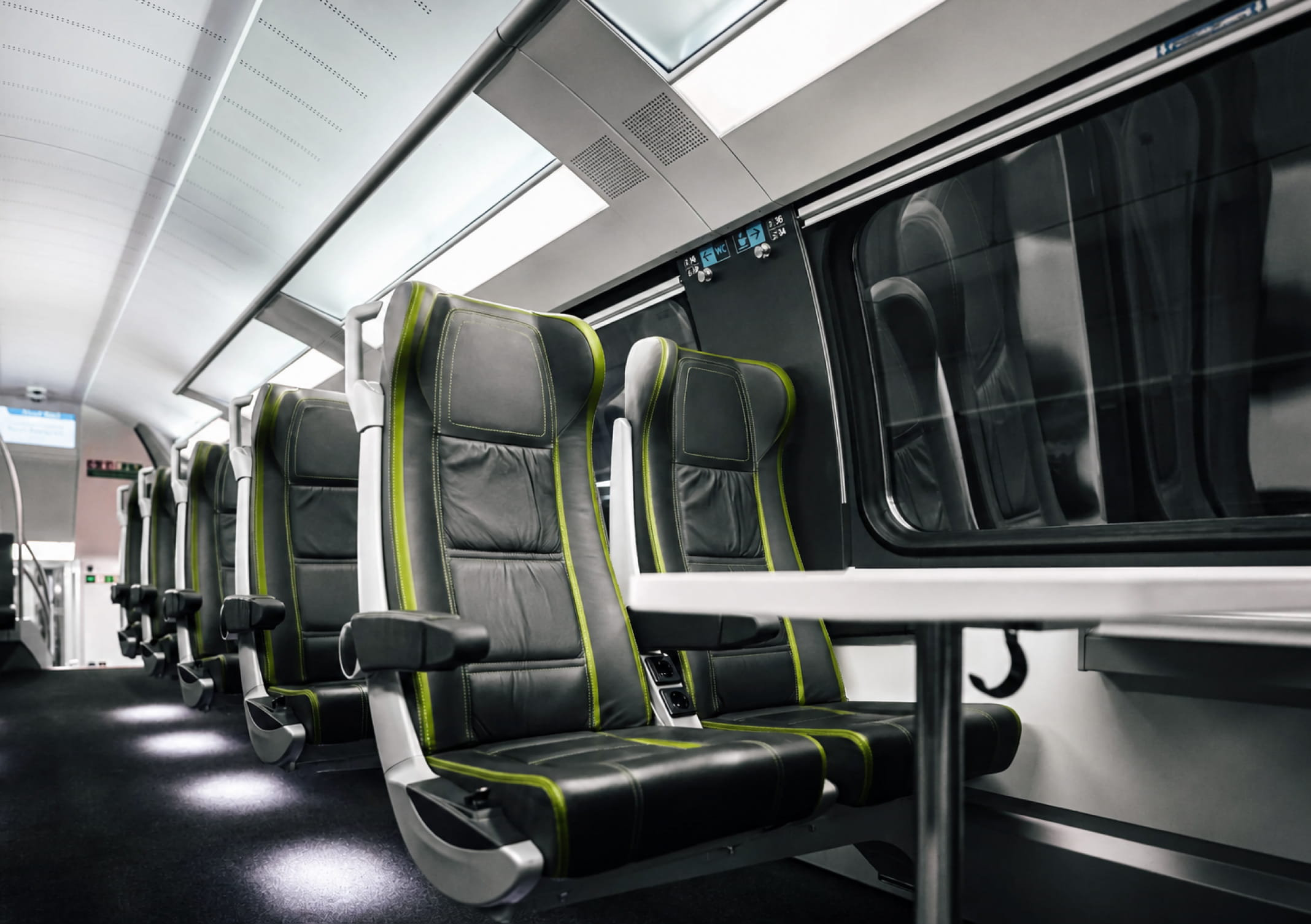
Low-weight systems for vehicles where speed, noise, heat and strict integration requirements converge.
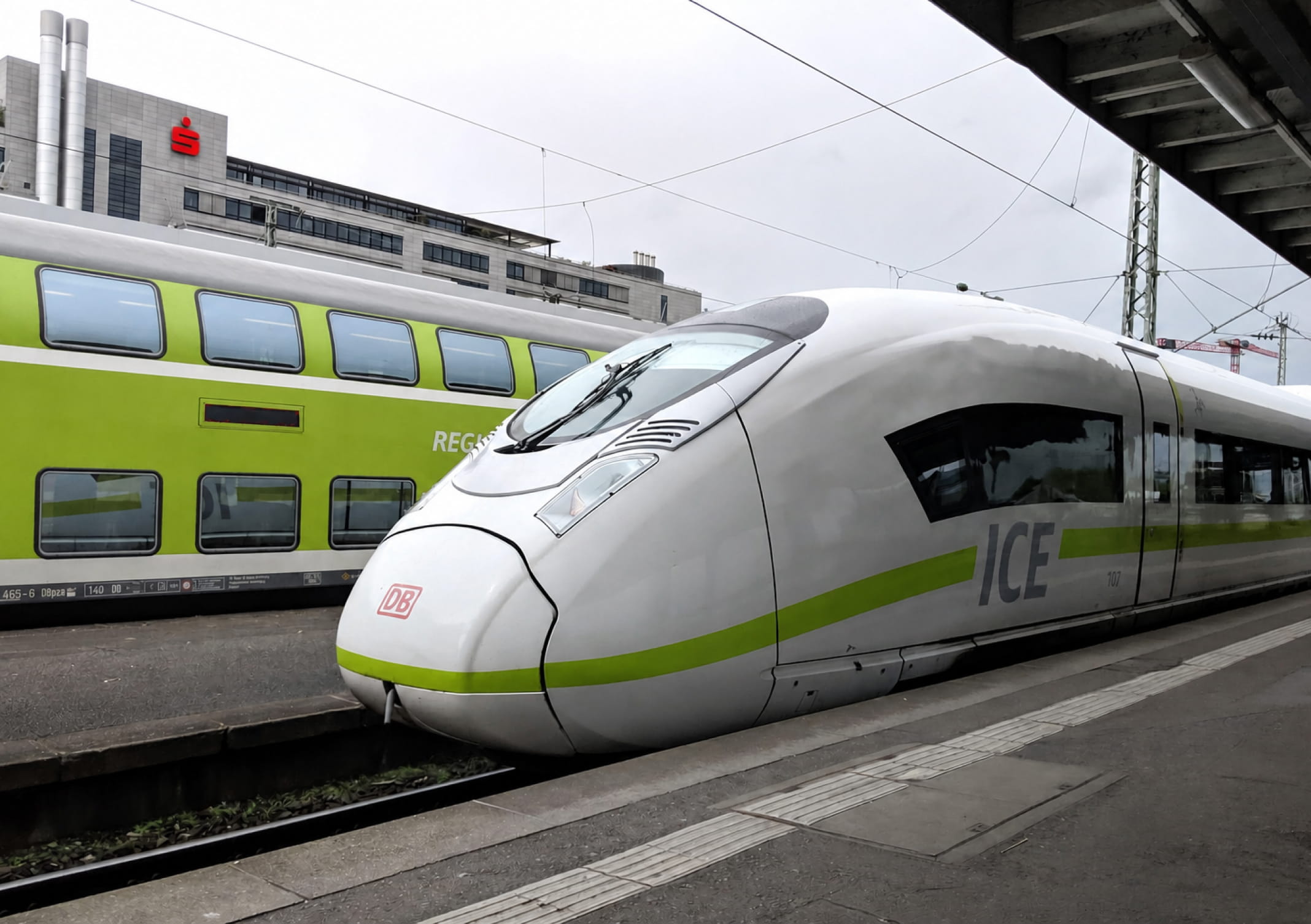
Protection for vehicles working through steep gradients, changing climates and constrained layouts.
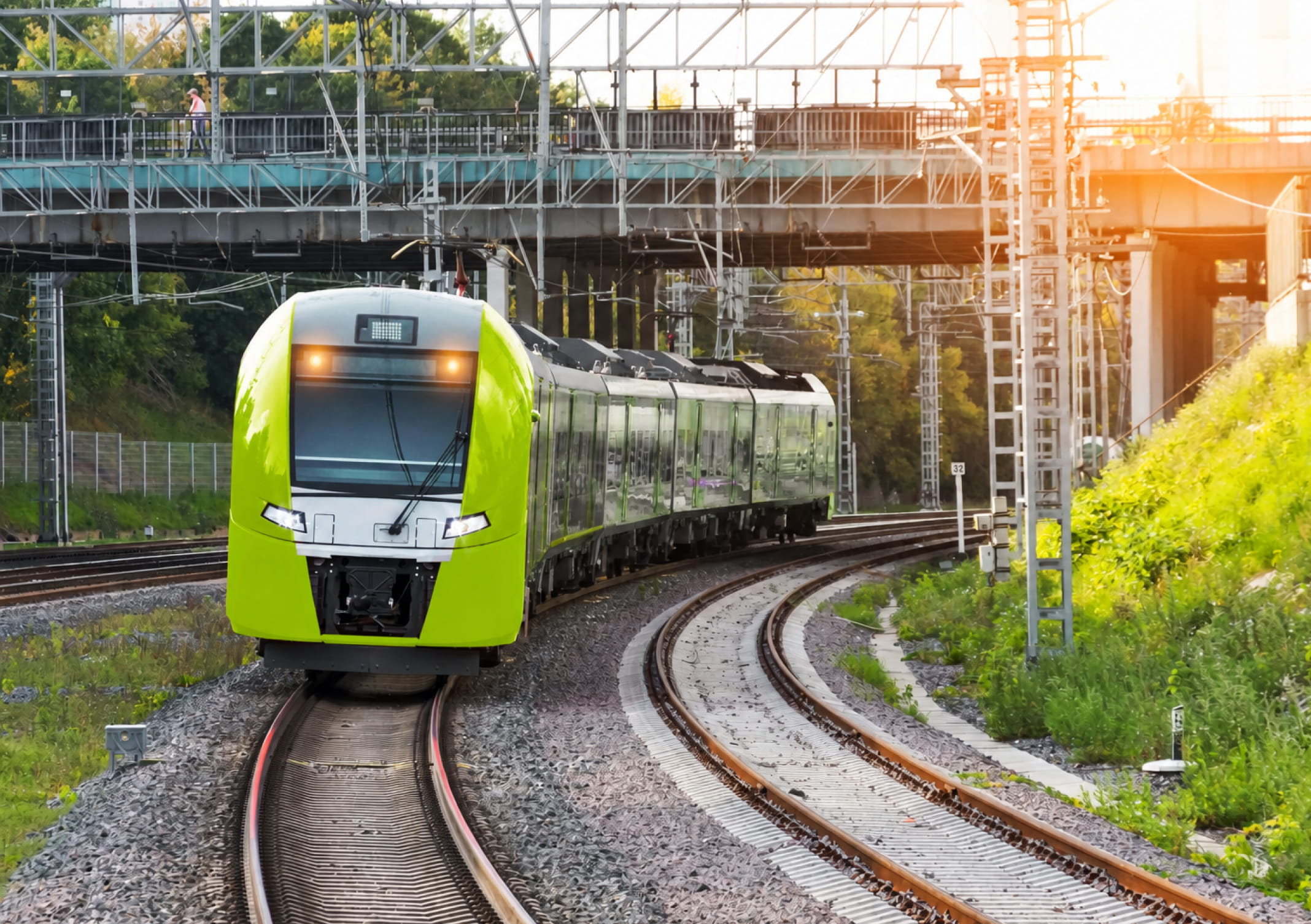
Insulation designed for complex passenger areas and limited installation space.
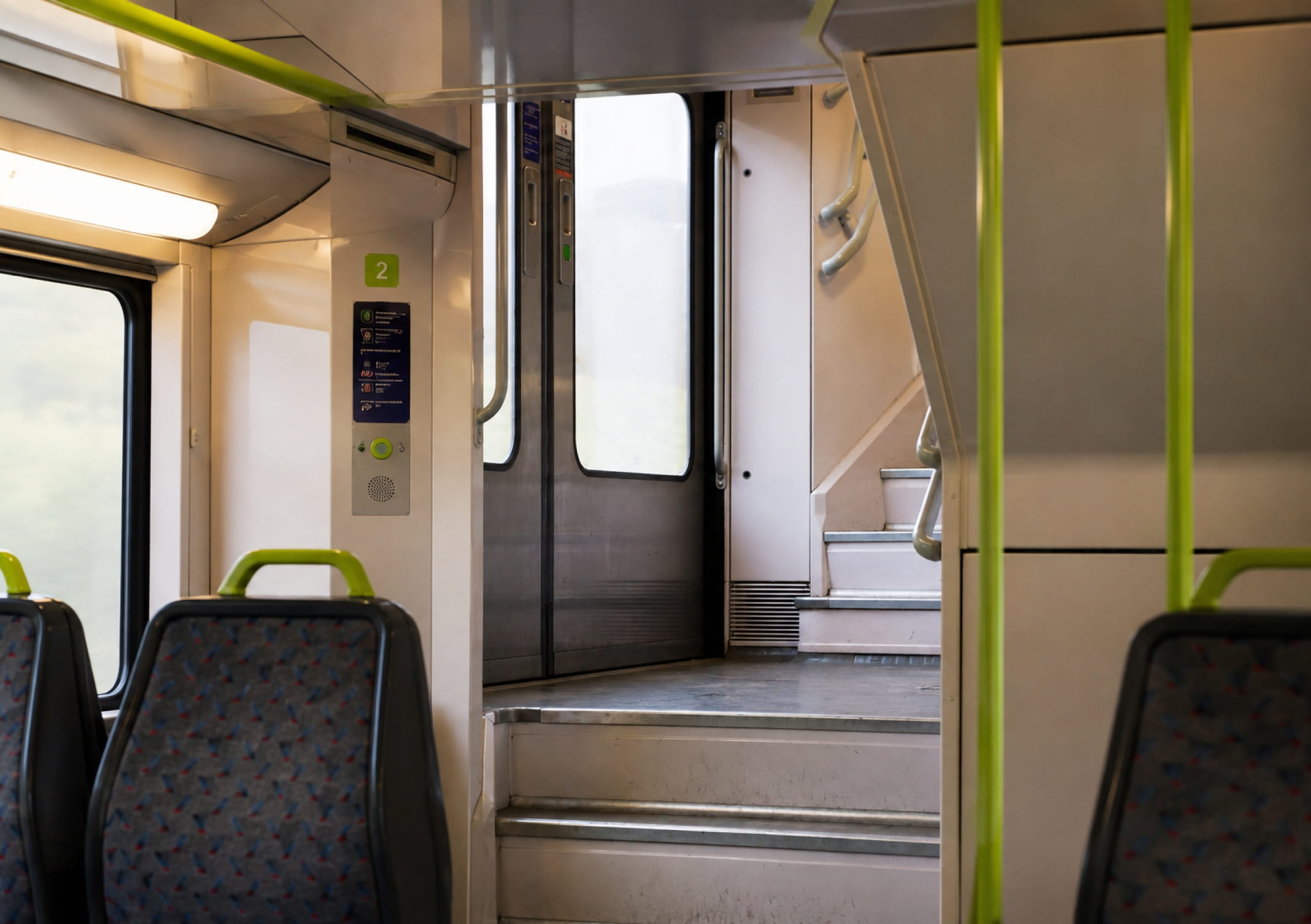
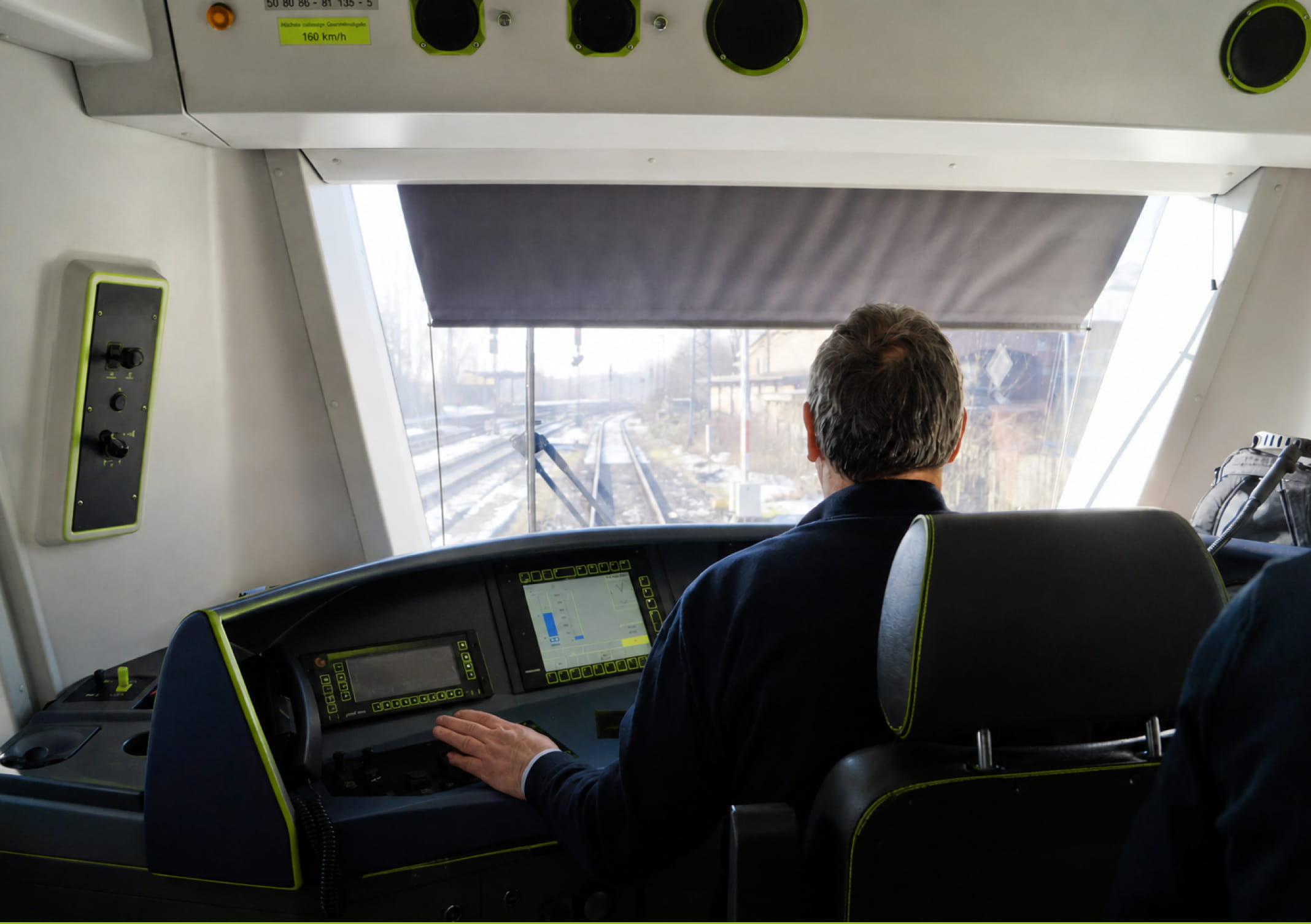
Thermal and acoustic treatment for operator zones and equipment compartments.
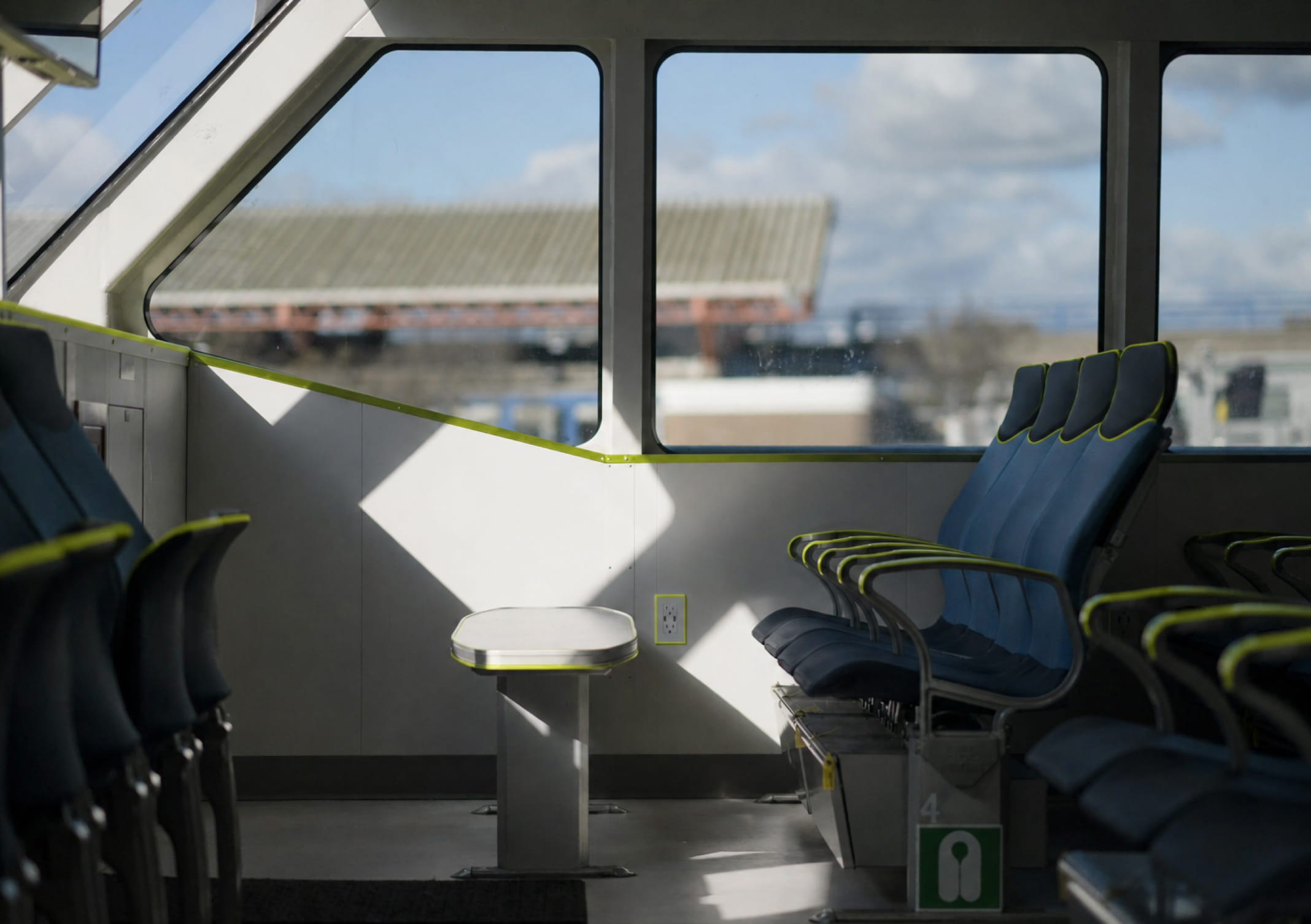
Low-profile protection that supports passenger comfort while respecting the interior concept.
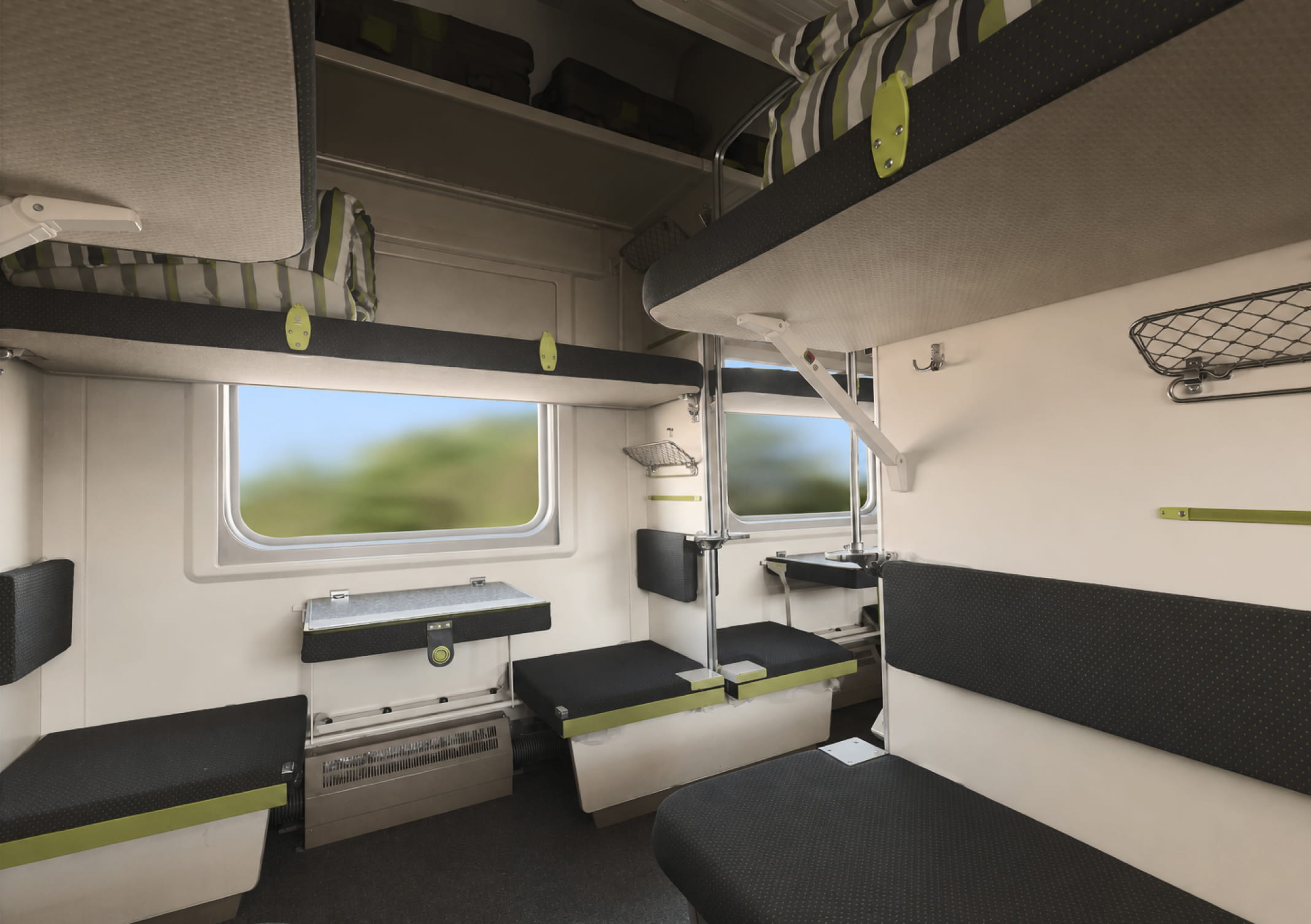
Acoustic and thermal components for quieter, more stable long-distance journeys.
Proven solutions, confirmed by clients
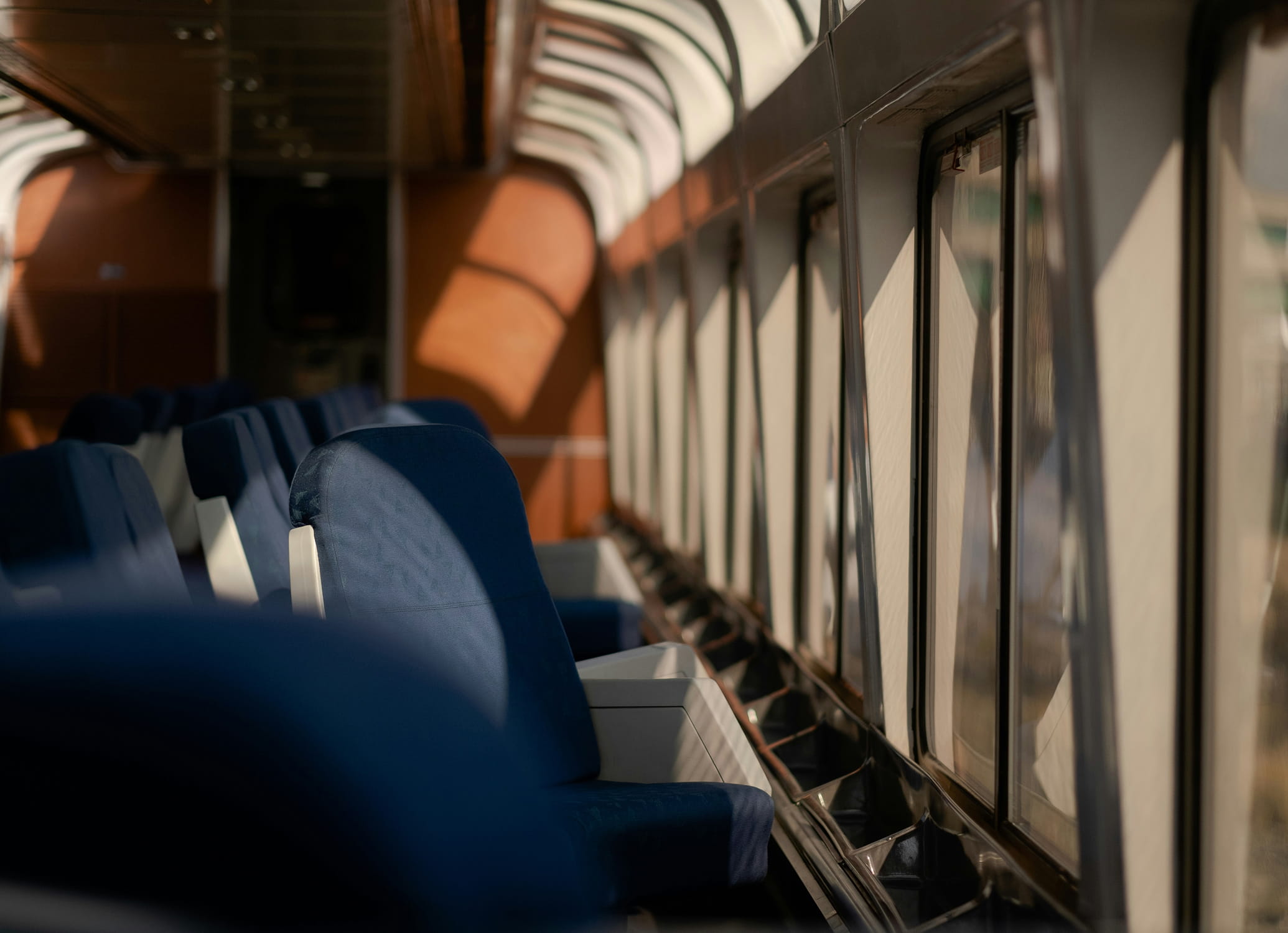
How we turn requirements into production-ready engineering solutions
Every solution starts with a specific application challenge. We work through requirements, material direction, prototyping, testing, production setup, and documentation to turn complex technical needs into reliable, production-ready systems.

Where we work
 Courgenay, Switzerland
Courgenay brings Pinta’s headquarters, engineering and manufacturing together in Switzerland. The team works on acoustic and thermal components for rail,…
View more
 Aubergenville, France
In Aubergenville, Pinta develops and manufactures acoustic and thermal insulation for demanding applications. Engineering and production work through material choices,…
View more
Minneapolis, USA
Minneapolis brings together Pinta’s work in architectural acoustics, industrial applications and medical components. The team develops acoustic products for spaces…
View more
Malacky, Slovakia
Malacky is part of Pinta’s expansion of its European manufacturing network. The development brings together plans for component production and…
View more
Monterrey, Mexico
Monterrey is part of Pinta’s plans to extend its presence in North America and work closer to customers in Mexico.…
View more
Updates on industry
and Pinta
Read about developments in materials, regulation and applications across rail, aerospace, medical, construction and more.
Team
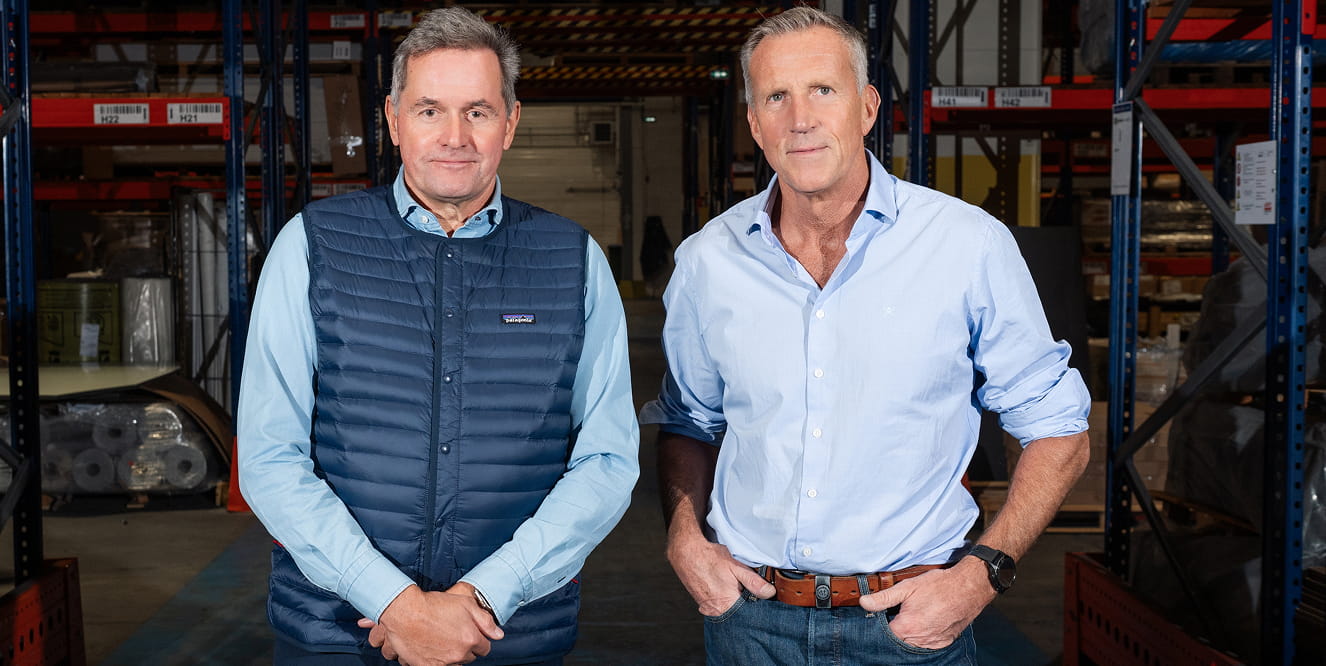
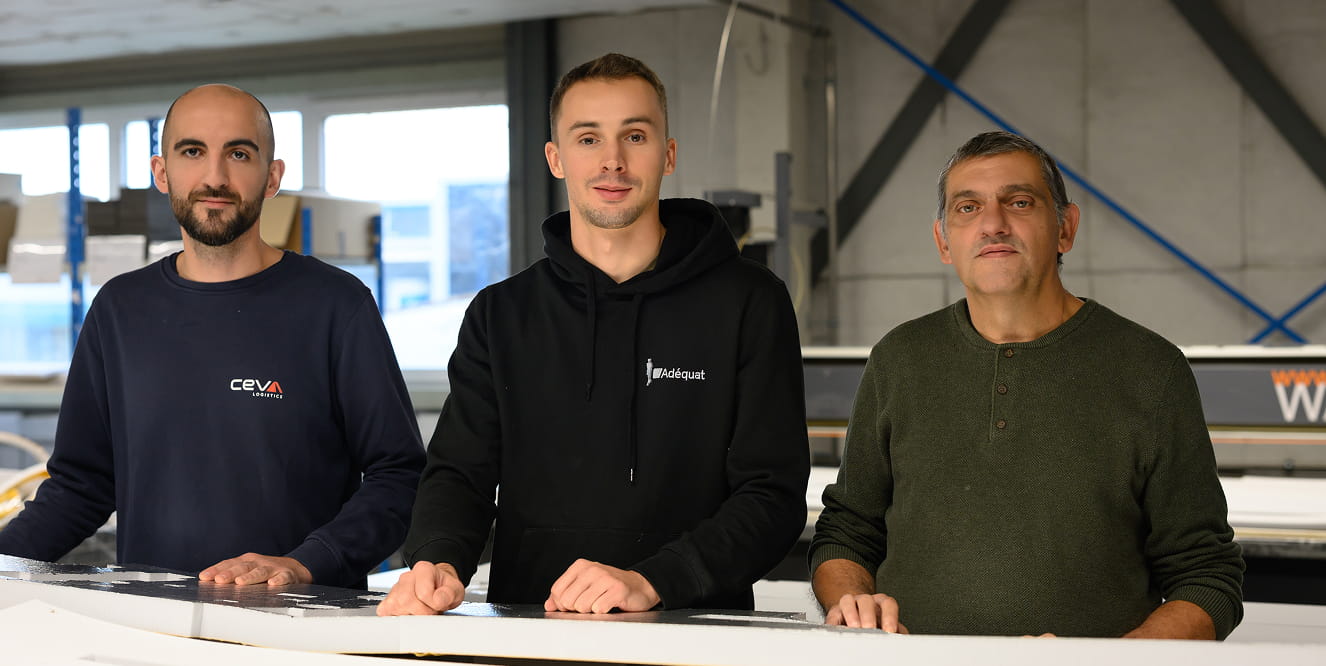
Behind Pinta's rail work is a cross-functional team of application specialists, material and production experts, quality and sales.
They work from the vehicle requirement through to serial delivery.

Quick answers
to common questions
The vehicle type, the area of application, operating conditions, target requirements, installation concept and weight or space constraints give the project a useful starting point.
Yes. Pinta can enter before a new platform specification is frozen and can also support component changes, refits and requalification work on existing vehicles.
Its relevance and the required class depend on the vehicle and the application. Pinta uses the project requirement as the basis for the material and qualification path.
Often the requirements need to work together. Pinta evaluates the full system — including material build-up, geometry, fixing and installation — rather than assuming one material will solve every constraint.
The approved system can be prepared for serial installation, with cutting, identification, packing and delivery sequence defined around the customer’s line.