



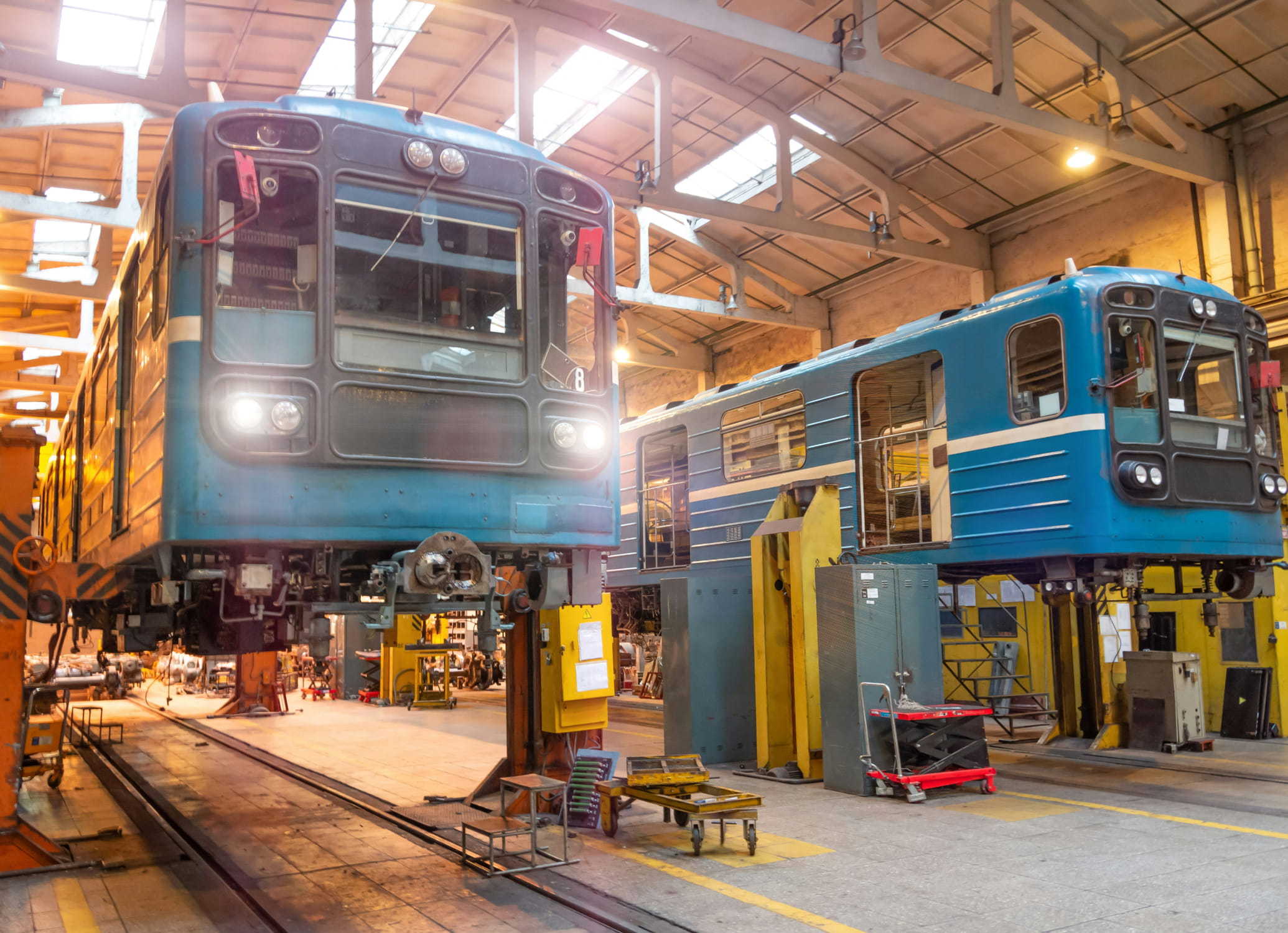
A rail vehicle manufacturer asked us to review its insulation process. Every finished train depends on work that passengers never see. Insulation is part of that work, and the way it reaches the assembly team can make a considerable difference.
Vehicle production puts a great deal of importance on the work between an engineering decision and the production floor. A train is assembled from many individual systems, and the people fitting one of them need components that make sense in the space where they are working. A supplier’s decisions about preparation and delivery become part of that daily experience.
When the customer asked us to look at its insulation process, the starting point was very practical: people were spending too much time getting each piece ready to install. We followed the material through the process, from delivery to its place inside the train. That was where the opportunity became clear.
Challenge
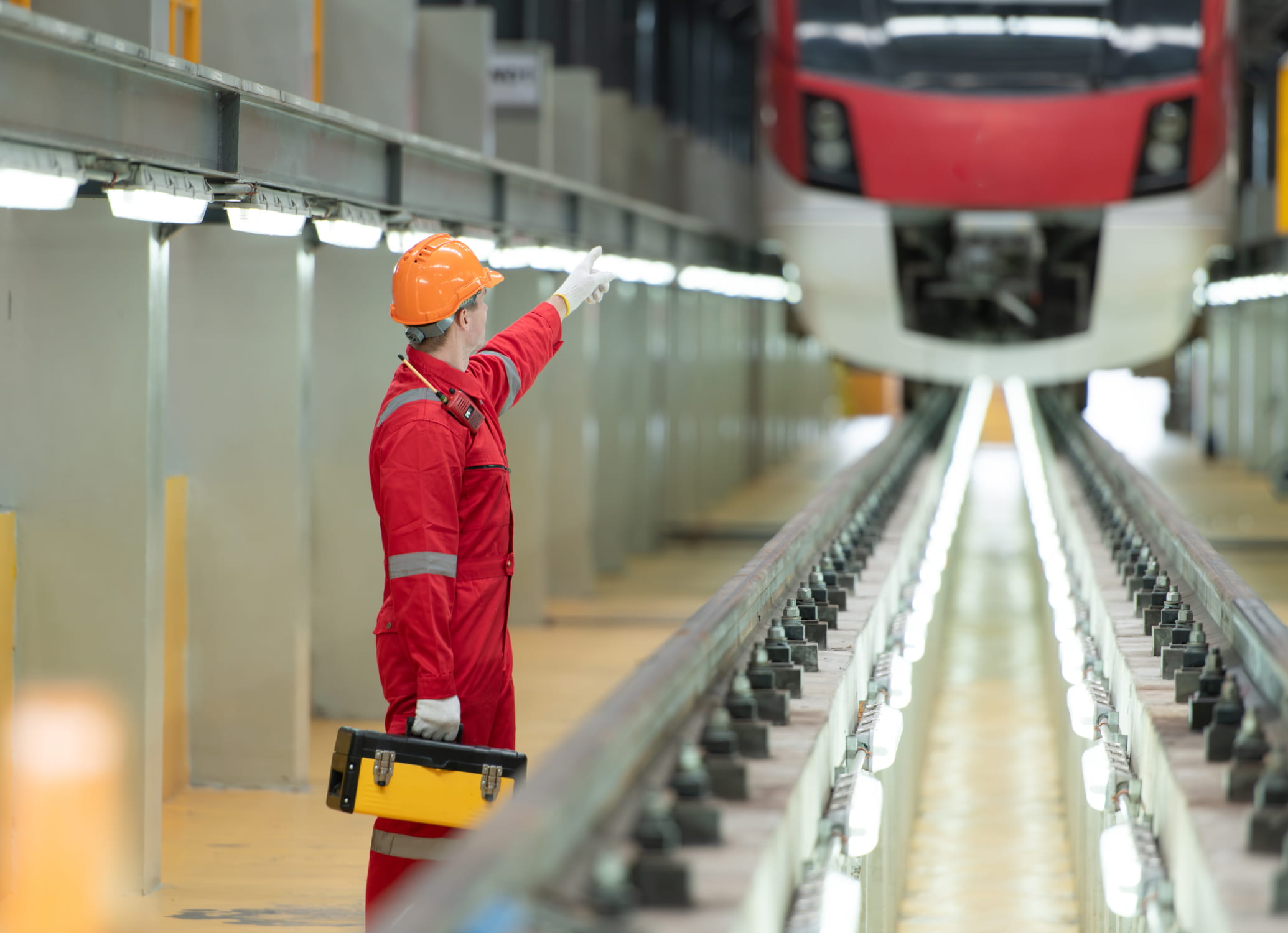
Glass and mineral wool arrived as plates in different thicknesses. An installer had to find the correct material, carry it into the train, cut it to size, apply glue to the train surface and then fit the insulation. Before one piece was in place, several other jobs had to happen.
That sequence was time-consuming and messy. Changing the material alone would leave much of the preparation untouched. We needed to understand which tasks could be completed before the parts reached the installer, and how the packaging could help the work move forward.
The project began at the start of our relationship with the customer. A request for advice opened up a question about the work itself: how much of the installer’s day was going into preparing insulation? Finding a plate of the correct thickness was already a task, before cutting or bonding could begin. The opportunity lay in those small operations between receiving the material and having it in position inside the train.
Solution
Follow the work through the train
We studied the existing delivery and installation process, looking at the material and the way people handled it together. The aim was straightforward: reduce installation time while making the job easier for the person carrying it out.
This gave us a different starting point for the insulation system. The shape of a component, the adhesive on its surface and its position in a package all belonged to the same practical problem.
Following that sequence gave the discussion something concrete to work around. Instead of treating delivery as the end of the supplier’s responsibility, we looked at what happened after a package was opened. What did the installer need to identify? What still had to be changed before a piece could be fitted? The answers were already visible in the existing process. They helped locate the work that could move upstream into the supplied component.
Prepare each part for its next step
We supplied melamine resin foam cut to the required shapes, with self-adhesive backing on one side. The cutting and adhesive preparation now happened before installation, so the team received parts already prepared for fitting.
Together with the customer’s engineers, we also worked through the packing sequence. The first piece needed went on top. It was a small, specific decision with a clear purpose: the order inside the package should follow the order inside the train.
There is a useful distinction between supplying a sheet and supplying a part. A sheet leaves the final geometry to be resolved where it is installed. A shaped part carries more of that preparation with it. For the customer, we combined the required shape with adhesive backing, bringing two operations into the product supplied to the assembly team. The change altered what arrived at the workstation and what remained for the installer to do.
Let the package follow the installation
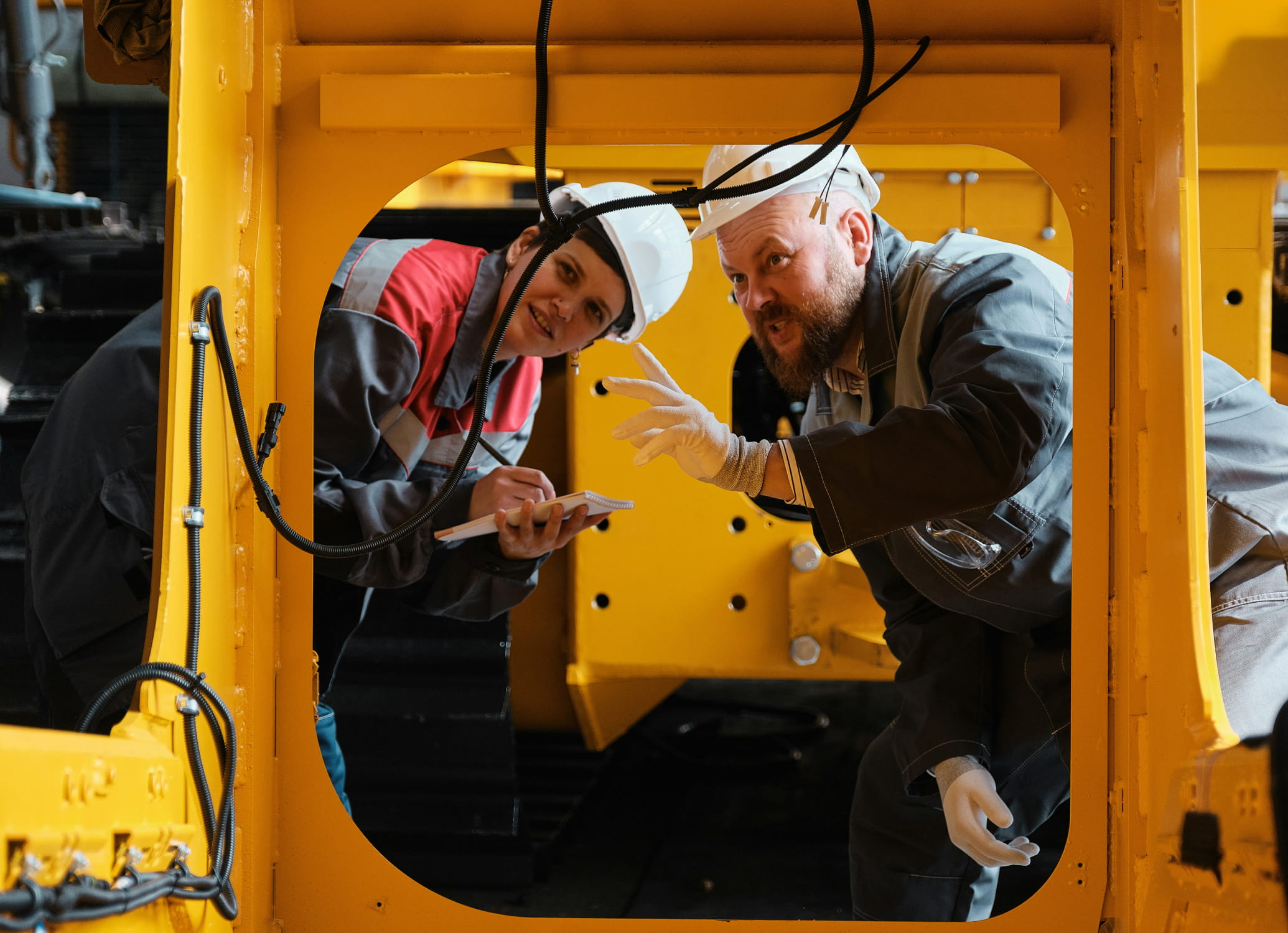
Packaging was another part of the same design problem. The customer’s engineers knew the fitting sequence, and we used that sequence to decide how the parts should be arranged. Putting the first piece on top connected the contents of a package to the order of work inside the vehicle. The next task had a corresponding position in the supply.
The packing decision depended on knowledge from both sides. The customer’s engineers understood the installation order; we could arrange the supplied parts to follow it. That made the conversation about packaging quite specific. It had to answer a question the installer would face repeatedly: which piece is needed next? The solution was visible as soon as the package opened, without adding another preparation step inside the train.
Keep the engineering close to production
Across our wider rail work, insulation has to follow real vehicle geometry. Our published rail offering includes parts cut for three-dimensional spaces, changes in thickness where room is limited, and folds or angled cuts for curved supports. Those capabilities provide context for this approach: a useful component needs to be considered in its installed position. For this project, the documented combination was shaped melamine resin foam, adhesive backing and packaging matched to the fitting sequence.
Our engineering team supports that connection between an idea and the production floor. Its wider responsibilities include drawings, production files and the introduction of new processes, alongside contact with purchasing, sales, production and quality. A proposal has to pass through those functions before the customer can use it. Understanding the installer’s task gives that internal work a shared purpose and a clear point at which to judge whether the proposed change is useful.
Results
Our project team reports an approximate 70% reduction in installation time. That figure reflects the redesigned installation process: shaped parts, adhesive backing and packaging arranged around the work.
The useful change was visible at the point of assembly. Preparation that had occupied the installer was built into the supplied components, and the next part was easier to reach. Looking closely at an ordinary task opened up a substantial improvement.