


Building around the application
We help demanding industries turn complex material requirements into engineered protection systems.
 Rail
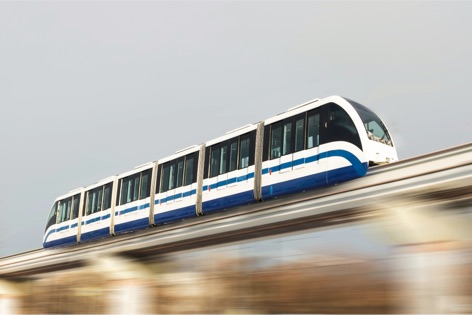
Acoustic and thermal insulation developed around fire requirements, moisture management and the practical work of fitting parts into a rail vehicle.
See more
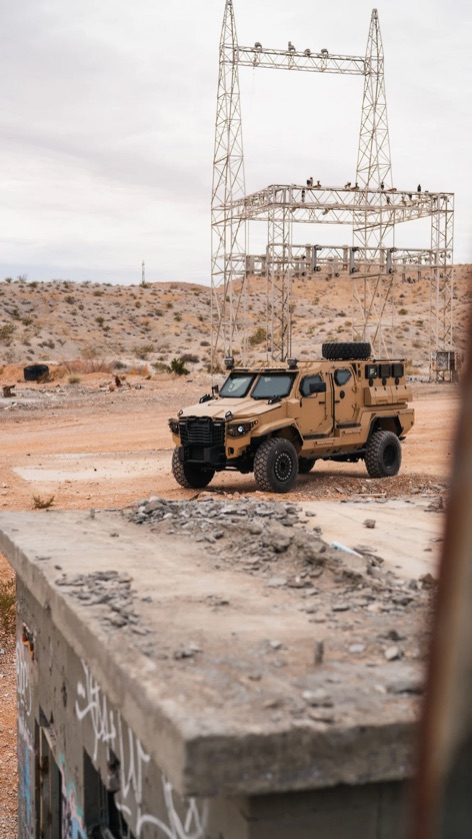 Specialty vehicles
Insulation systems shaped around the vehicle, combining thermal and acoustic requirements with fitting, removal and cleaning needs.
See more
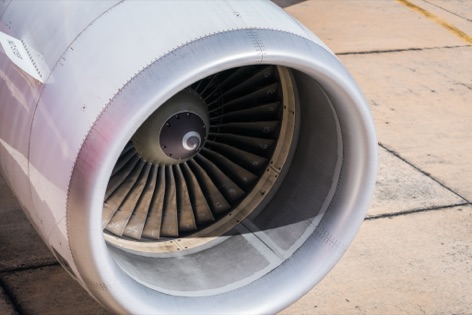 Aerospace
Lightweight acoustic and thermal solutions for aircraft and space applications, where geometry, moisture and fire requirements shape material selection.
See more
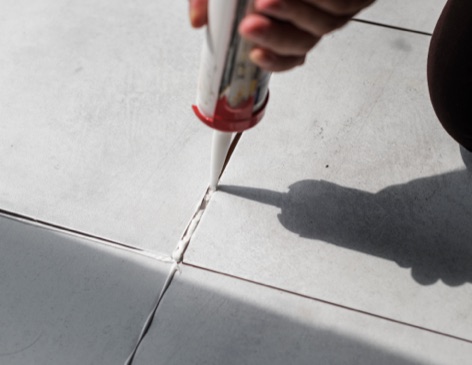 Sealants
Materials for sealing construction joints and openings, selected around fit, movement and the conditions of installation.
See more
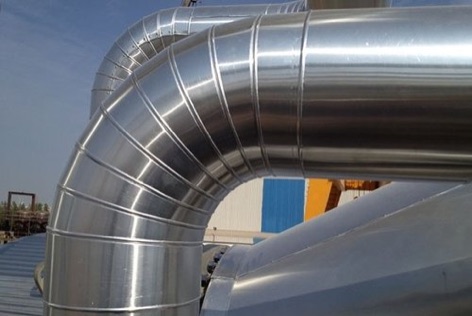 HVAC
Materials for sealing construction joints and openings, selected around fit, movement and the conditions of installation.
See more
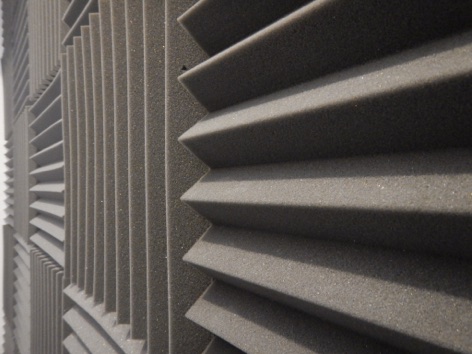 Acoustics and noise control
Acoustic materials and systems for buildings and equipment, developed around the source of noise, the space and the required finish.
See more
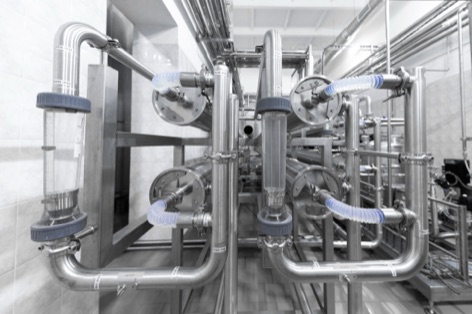 Filtration
 components developed around the system’s flow conditions, material requirements and geometry, with processing and repeatable production considered from the start.
See more
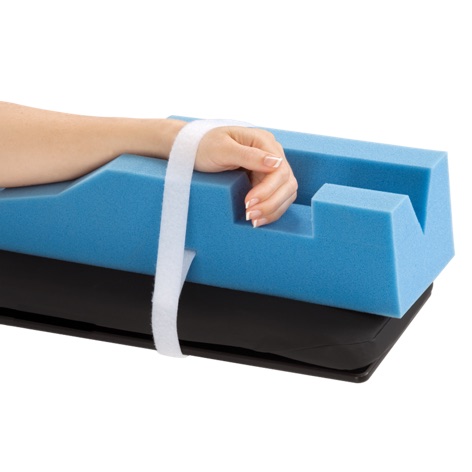 Medical
Custom foam components for medical applications, with material selection, converting and documentation shaped by the customer’s requirements.
See more
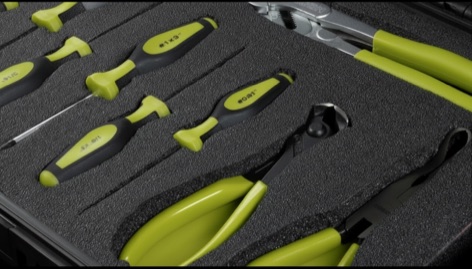 Foam converting
Foam cut, shaped and combined into components that fit the application, with processing and assembly considered from the beginning.
See more
Don't see your industry?
Reach out
— we're always open to expanding our horizons!
Updates on industry
and Pinta
Read about developments in materials, regulation and applications across rail, aerospace, medical, construction and more.
Quick answers
to common questions
Acoustic damping in rail vehicles involves using materials like Amortson and Masse KR to reduce structural vibration and noise, enhancing passenger comfort and meeting safety standards.
Rail insulation and fire-safety components are typically qualified against standards such as EN 45545 for fire behaviour in rail vehicles, alongside sector-specific standards in aerospace, medical and other industries Pinta serves.
Signalling is moving toward higher automation, but that sits outside Pinta's scope — our focus stays on the thermal, acoustic and fire-safety materials inside the vehicle.
High-speed platforms place tighter demands on weight, noise and heat management, which is why Pinta engineers dedicated insulation systems for high-speed applications rather than reusing conventional-rail specifications.
Cross-border rail programs need to satisfy overlapping fire, acoustic and thermal standards at once, which is why material qualification is treated as a cross-market requirement from the start of a project.