


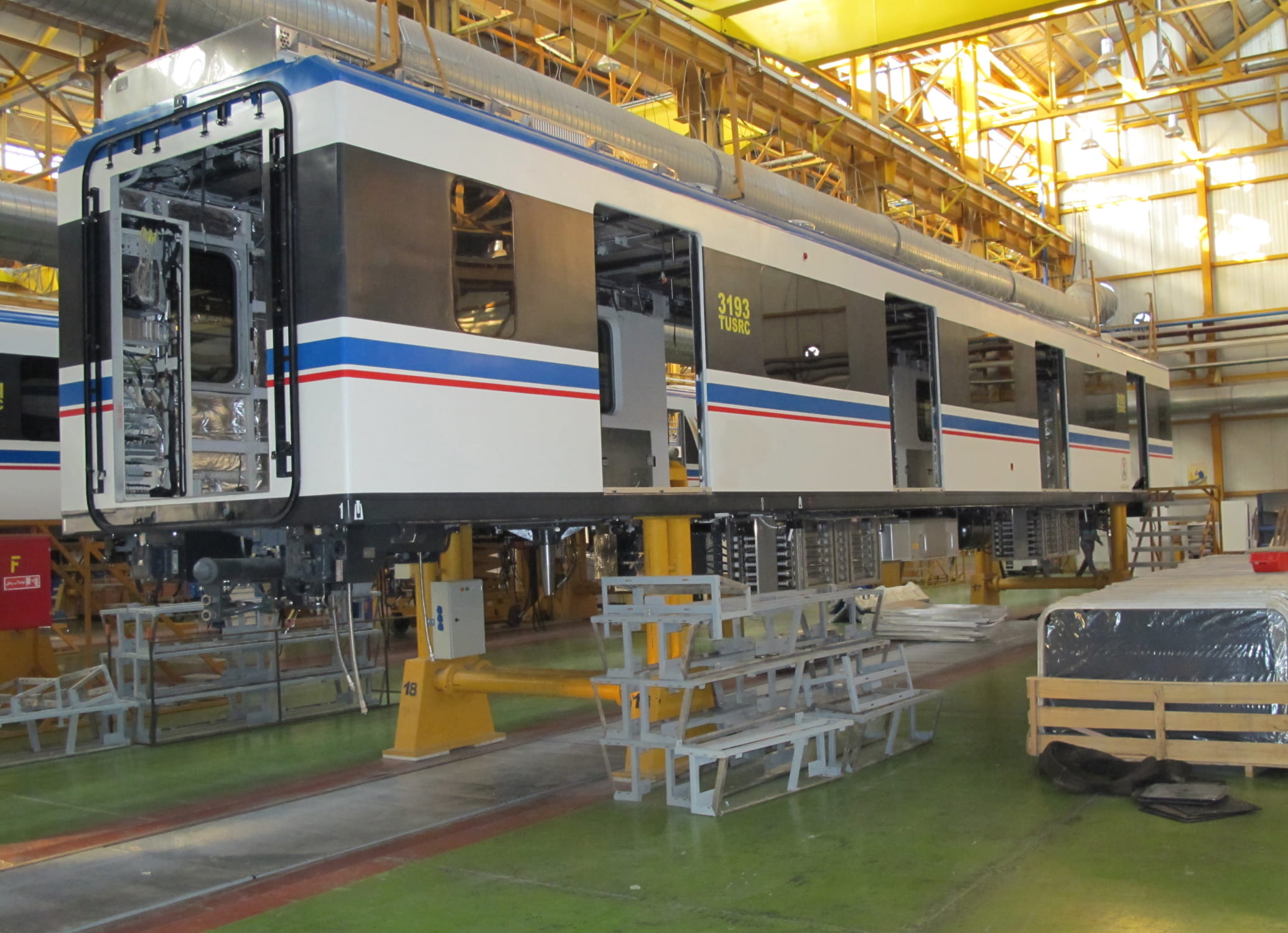
A rail systems manufacturer works across several production sites, with different vehicles and manufacturing needs. Our insulation work supports that environment by connecting technical requirements with the supply of complex kits.
The scale of the task becomes clear when you look at a kit. It can contain several hundred parts, each belonging to the same insulation system. Making the kit useful means paying attention to the whole route from design through production to packaging.
The manufacturing network is important to the story. A commuter train, a regional vehicle and a high-speed power car belong to different operating and production settings. The common thread in our account is the need for acoustic insulation and a supplier able to manage many parts as a usable whole. The kit is where those technical and manufacturing needs meet.
Challenge
Acoustic insulation is the main requirement described by our rail sales team, with thermal insulation also needed in some applications. Fire and smoke requirements, including EN 45545-2, shape the technical brief.
Those demands meet a second kind of complexity: the number of components. Individual parts need to become a coherent kit that the customer can work with. The design, manufacture and packaging decisions therefore have to remain connected.
The manufacturing settings differ across passenger rail applications. Our sales account describes work across several sites; individual insulation kits belong to their own applications. The requirements of one vehicle should not be treated as a specification for the whole supply program.
A kit with several hundred parts also brings several hundred opportunities for the technical definition and the supplied item to diverge. The challenge is therefore one of coordination as well as material performance. Drawings have to describe what production should make, and packaging has to organize what the customer receives. Considering those stages as one job gives the technical brief a route all the way to a usable supply.
Solution
Get close to the technical requirement
Our rail sales team places particular importance on contact with the customer’s engineering department. Procurement may start the conversation, but the engineering brief explains what the insulation needs to achieve and which constraints matter.
That makes technical advice part of the work from the outset. Acoustic and thermal needs, material selection and applicable fire requirements provide the basis for the solution before price and delivery are agreed.
Our rail account team explains the distinction plainly: purchasing often makes the first approach and manages commercial information, while engineering provides the detail needed to understand the application. The customer needs a technical answer before it can meaningfully compare prices. Material choice and compliance questions belong in that conversation from the start.
Manage the kit through production
We work across the design, production and packaging of kits containing several hundred parts. The aim is to make the customer’s job easier by managing those stages together.
A component is useful when it fits the application and arrives as part of an understandable supply. Keeping the kit in view gives purpose to the work on each individual piece: it must contribute to what the customer needs to build.
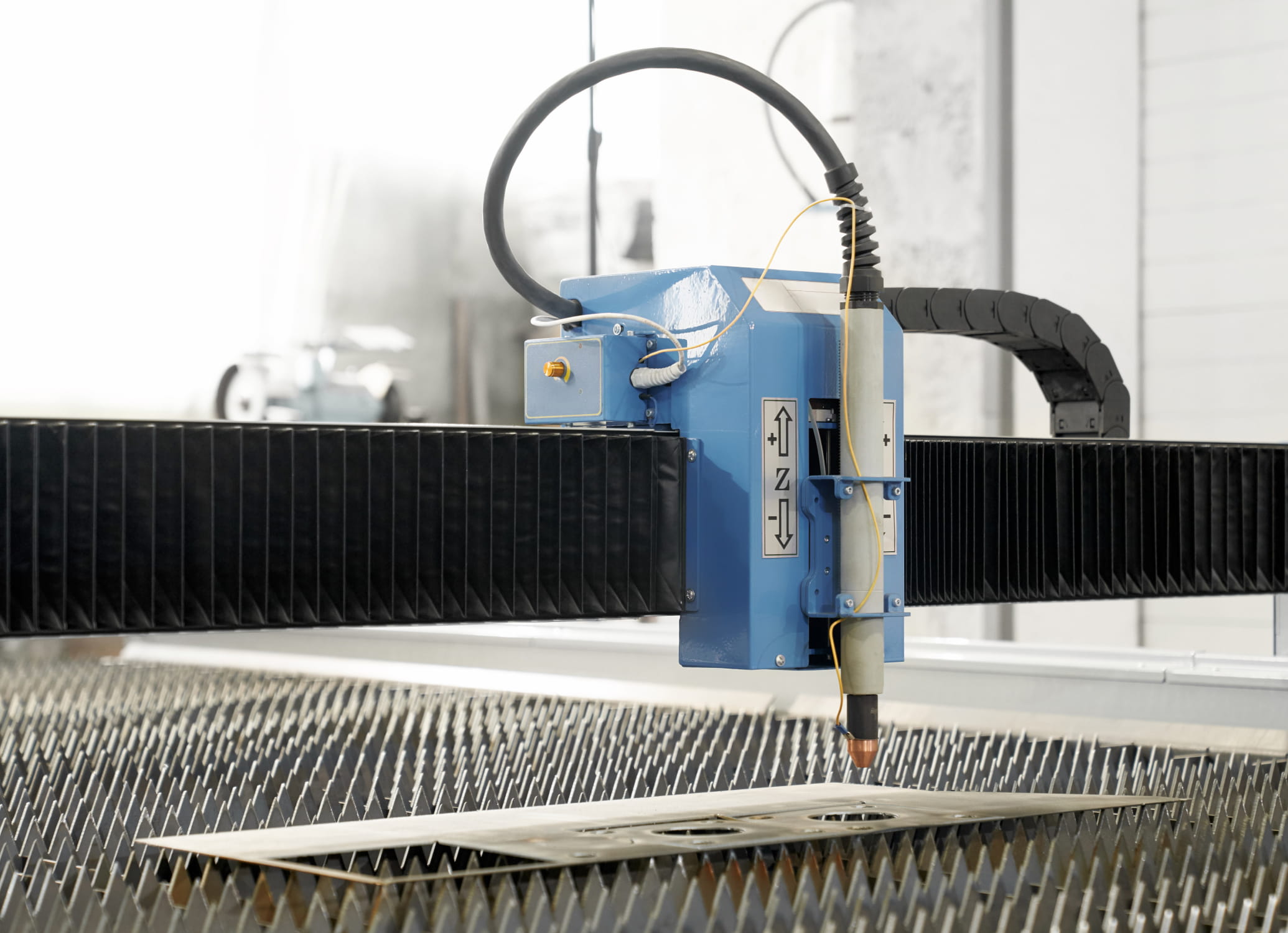
Our engineering team describes drawing preparation and production files as an important part of its wider work. That gives a practical meaning to ‘design through production’: the technical definition has to reach the people and equipment making the components. The information needs to remain usable as the work moves between departments, so the output is a kit that corresponds to the application being built.
Our wider rail offering illustrates how varied an insulation part can be: thickness may change to use the available space, while folds and angled cuts can accommodate curved supports. Those are general capabilities, rather than a specification for every kit supplied to this customer. They help explain why managing a collection of parts requires knowledge of the application. Several hundred pieces may share a material family while each has its own place in the vehicle.
Keep the relationship practical
The people managing these accounts describe good technical responses, reliable quality and on-time delivery as the foundations of the relationship. Those are everyday responsibilities across a supply program, from the first inquiry to the next order.
For a customer working across several manufacturing sites, that combination matters. The technical conversation and the production service need to support each other.
Stay connected as requirements develop
Our engineering team describes rail as one of Pinta’s more complex project environments. Across the team’s wider long-running customer work, discussions can cover engineering changes, delivery, quality and logistics. The task continues after the first technical definition is complete: people need to stay available as requirements develop. That continuity supports the broader service described by the account team, alongside the physical parts moving through production.
The account team describes the commercial side of the same picture. A customer wants useful technical advice, clear responses and competitive terms. Keeping the relationship productive requires attention at several levels of the organization. Engineering needs to understand the application, purchasing needs a commercial answer, and production needs a supply it can work with. Reliability is experienced across those interactions.
Results
The result is an insulation supply that brings acoustic and thermal requirements together with the practical management of complex kits. Our role extends from the parts themselves to the way those parts move through design, manufacture and packaging.
For the customer, the value described by our team is in making that complexity easier to handle. Hundreds of components become a planned kit, supported by people who understand the technical requirement and the work it serves.
A buyer sees that service through useful advice and reliable responses. An engineer needs the insulation to answer the technical brief. The people receiving the kit need it to be organized for their work. Our contribution sits across those needs, with design, production and packaging managed together. The several hundred parts are the visible output of a relationship that depends on all of those conversations continuing to make sense to one another.
Could one kit simplify your rail assembly?
Plan your insulation kit