-
 Rail
Acoustic and thermal insulation developed around fire requirements, moisture management and the practical work of fitting parts into a rail vehicle.
-
Specialty vehicles
Insulation systems shaped around the vehicle, combining thermal and acoustic requirements with fitting, removal and cleaning needs.
-
Aerospace
Lightweight acoustic and thermal solutions for aircraft and space applications, where geometry, moisture and fire requirements shape material selection.
-
Sealants
Materials for sealing construction joints and openings, selected around fit, movement and the conditions of installation.
-
HVAC
Materials for sealing construction joints and openings, selected around fit, movement and the conditions of installation.
-
Acoustics and noise control
Acoustic materials and systems for buildings and equipment, developed around the source of noise, the space and the required finish.
-
Filtration
Filtration components developed around the system’s flow conditions, material requirements and geometry, with processing and repeatable production considered from the start.
-
Medical
Custom foam components for medical applications, with material selection, converting and documentation shaped by the customer’s requirements.
-
Foam converting
Foam cut, shaped and combined into components that fit the application, with processing and assembly considered from the beginning.


A story of those who came to stay
75 years of innovation
where comfort is critical
1952
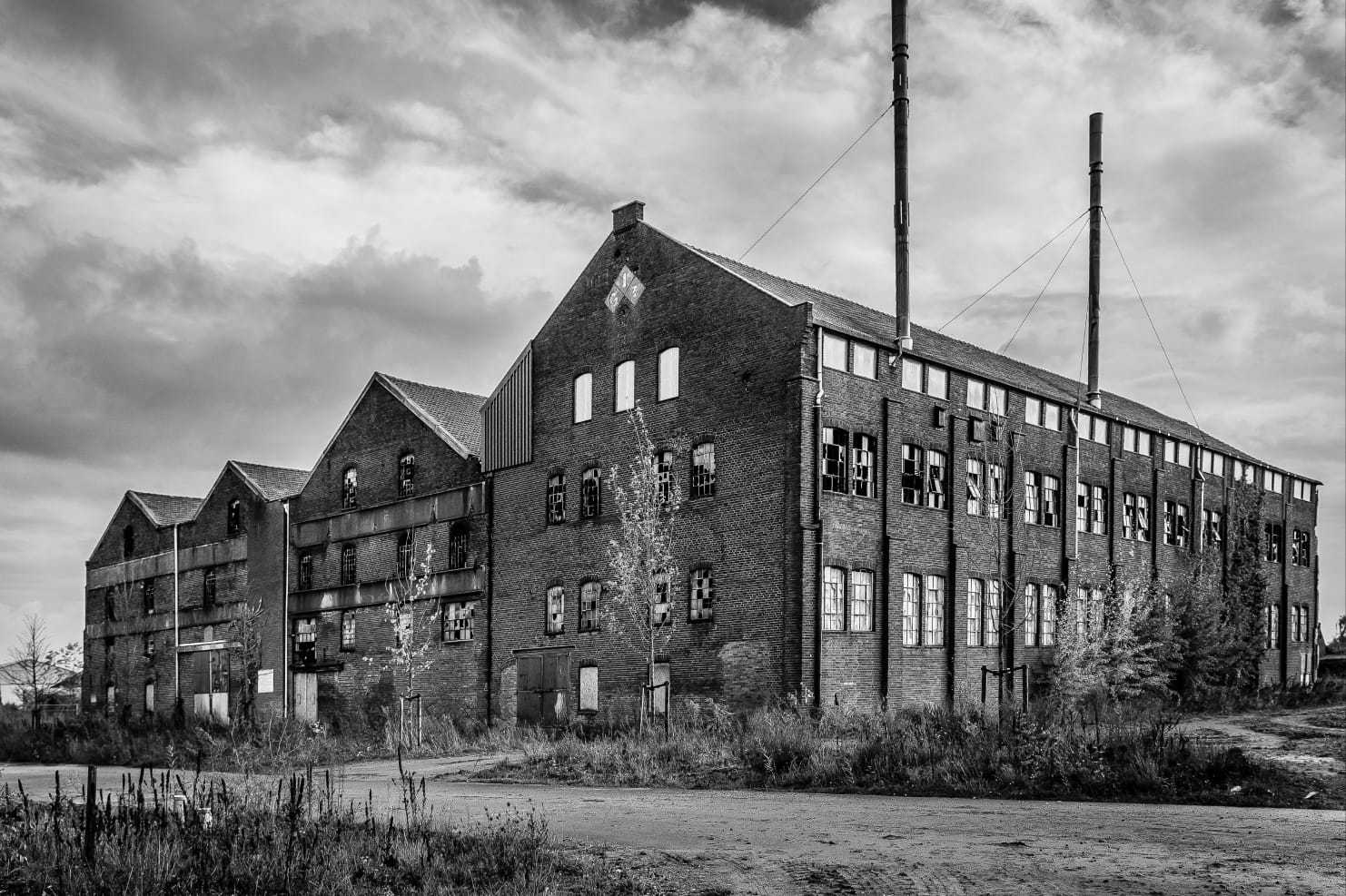
Wilhelm Illbruck came home from the war after three years in Soviet captivity. He came home with one conviction: he would answer to himself. In 1952 he made it concrete and started a business of his own.
When the company earned its first real money, his wife asked a very human question — could they finally afford a fur coat? They could. Wilhelm bought a car instead. A business that could reach every customer in southern Germany would buy her several coats later.
The coat waited. The car went to work.
Click anywhere to close document
A culture that starts
with the task
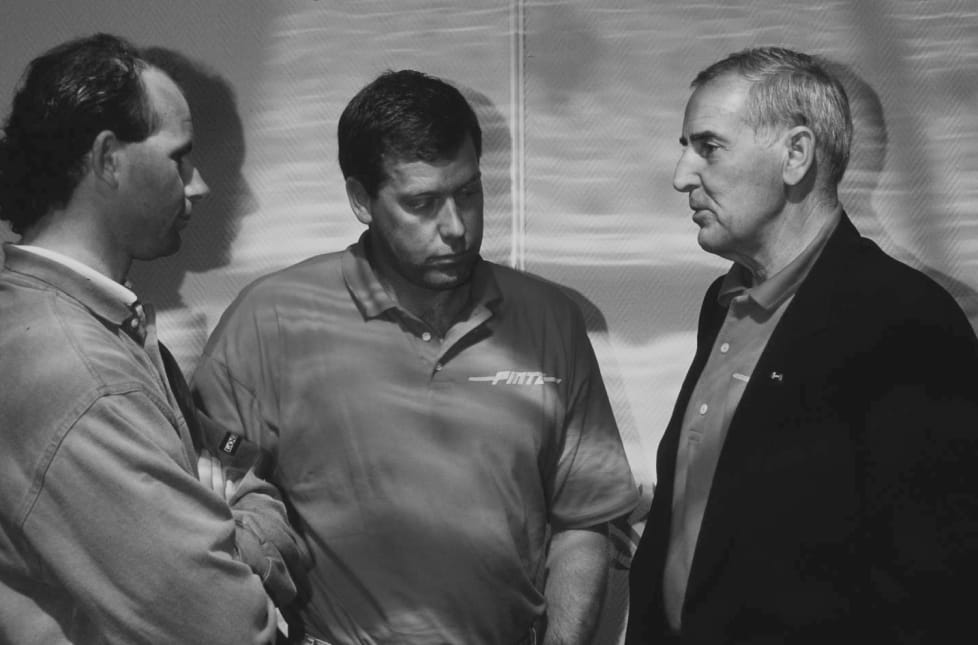
Wilhelm’s habit of thinking for himself became the way the whole company worked. Give people room to think, question and decide. Bring the right minds into the room. Let the best argument win.
Inside Pinta that meant one standing question: what can we do better? With customers it meant starting from the task — understand what has to hold, then find the material, the process, the answer that fits it.
The tasks changed. The instinct to solve them stayed.
1969
— a name with a meaning
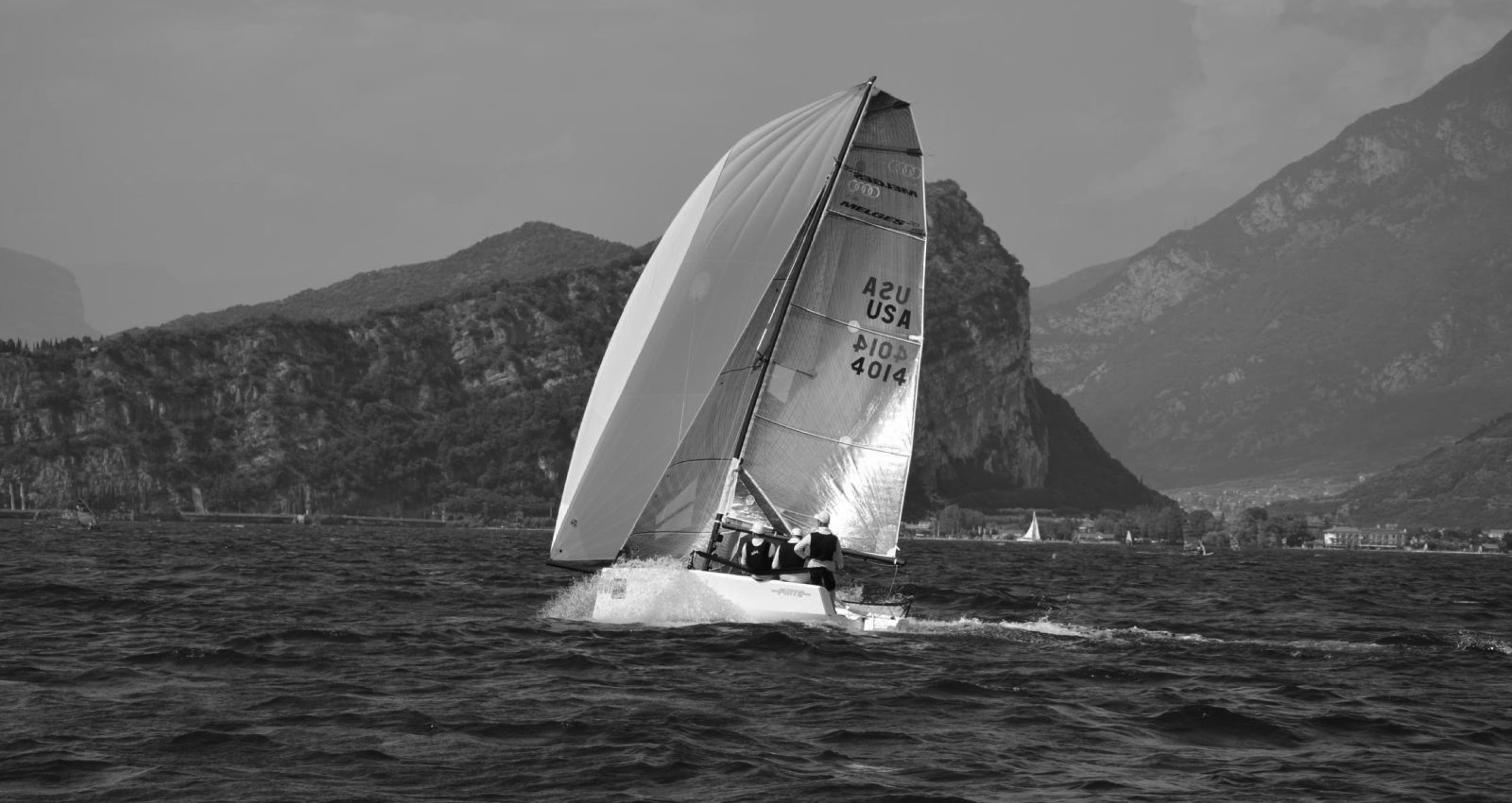
By the late 1960s the company Wilhelm Illbruck had built was part of family life. So was his son Michael’s life on the water. One name would connect the two.
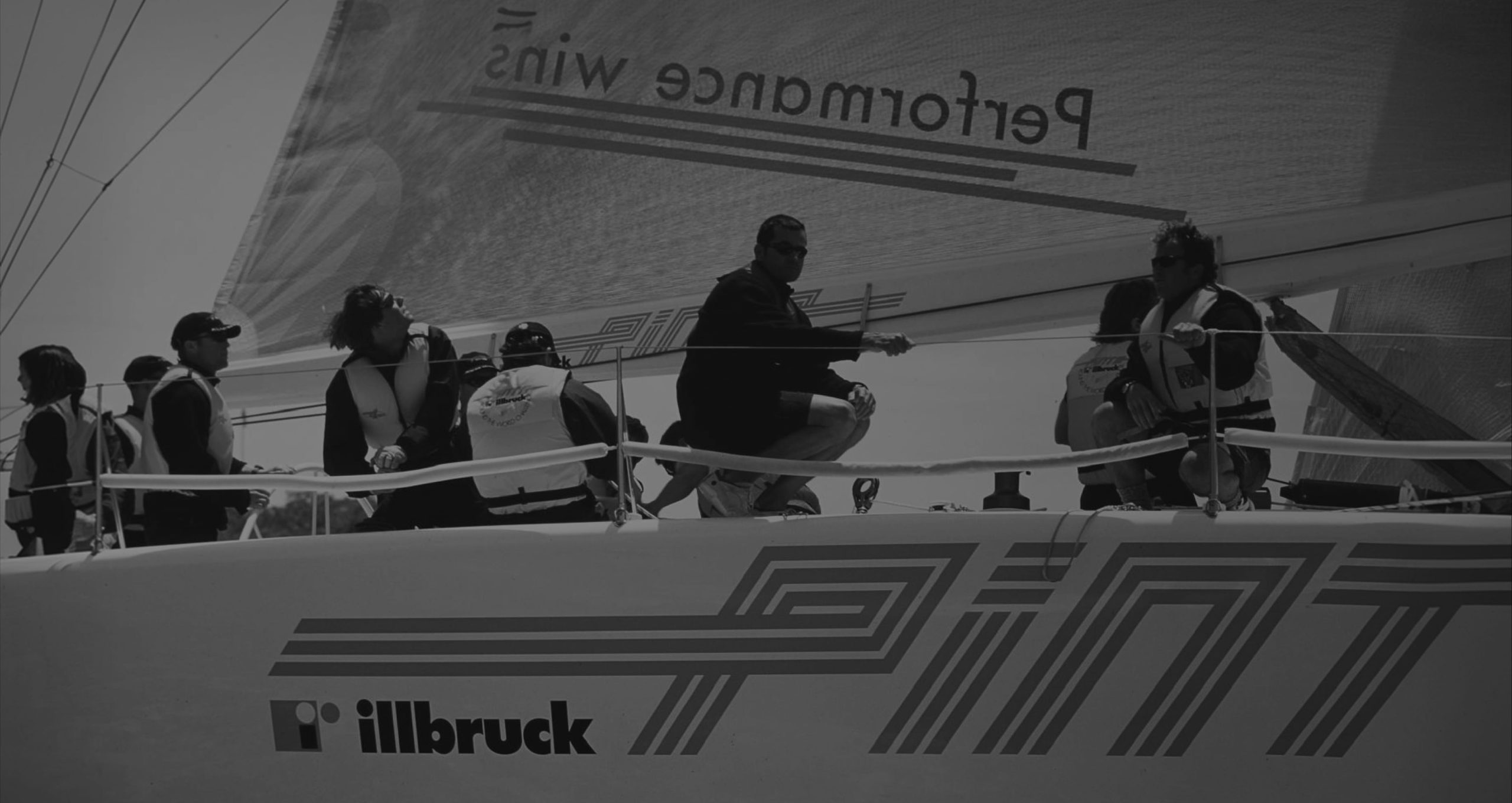
Wilhelm found it in Columbus’s fleet. Of the three ships, Pinta was the fastest. Her captain knew her strengths and kept the freedom to make his own calls. Performance and independence — the two qualities Wilhelm ran his business on.
In 1969 he gave his first racing yacht the name Pinta. Father and son entered their first race together that same year and finished last. They stayed on the water, learned from stronger crews, and came back.
Years of competition followed, and a lesson Michael carried far past sailing:
‘He who can’t lose, will never win.’
Pinta stopped being the name of a boat. It became the way of thinking already taking shape on land: think for yourself, keep learning, keep looking for the better way.
On the water the rules are short. They turned out to be the same rules on land.
- Trust the team
- Make the call
- Learn from every loss
- Adapt to change
- Keep moving
2004
Some things are too valuable to start over.
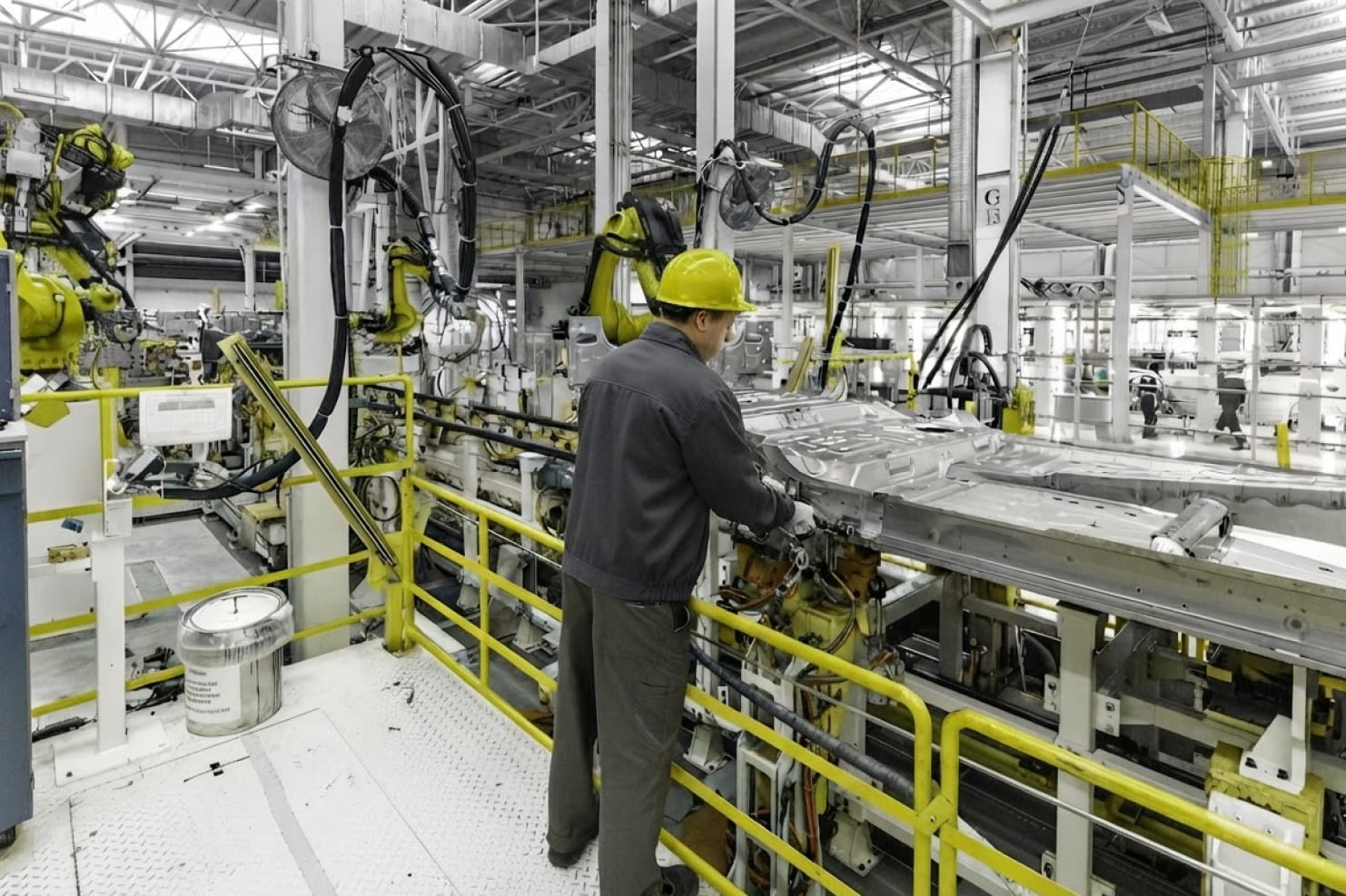
By 2004 some customer relationships were already decades old. Pinta’s teams knew those products, those constraints, and the details that only come from working side by side.
Then the business changed shape. Several areas of expertise came together under illbruck elements. The knowledge stayed. So did the relationships — now with more expertise behind them.
Today the average client relationship runs 20 years. Some go past five decades.
Every year of solving things together is a year the next project starts ahead.
A new company reality
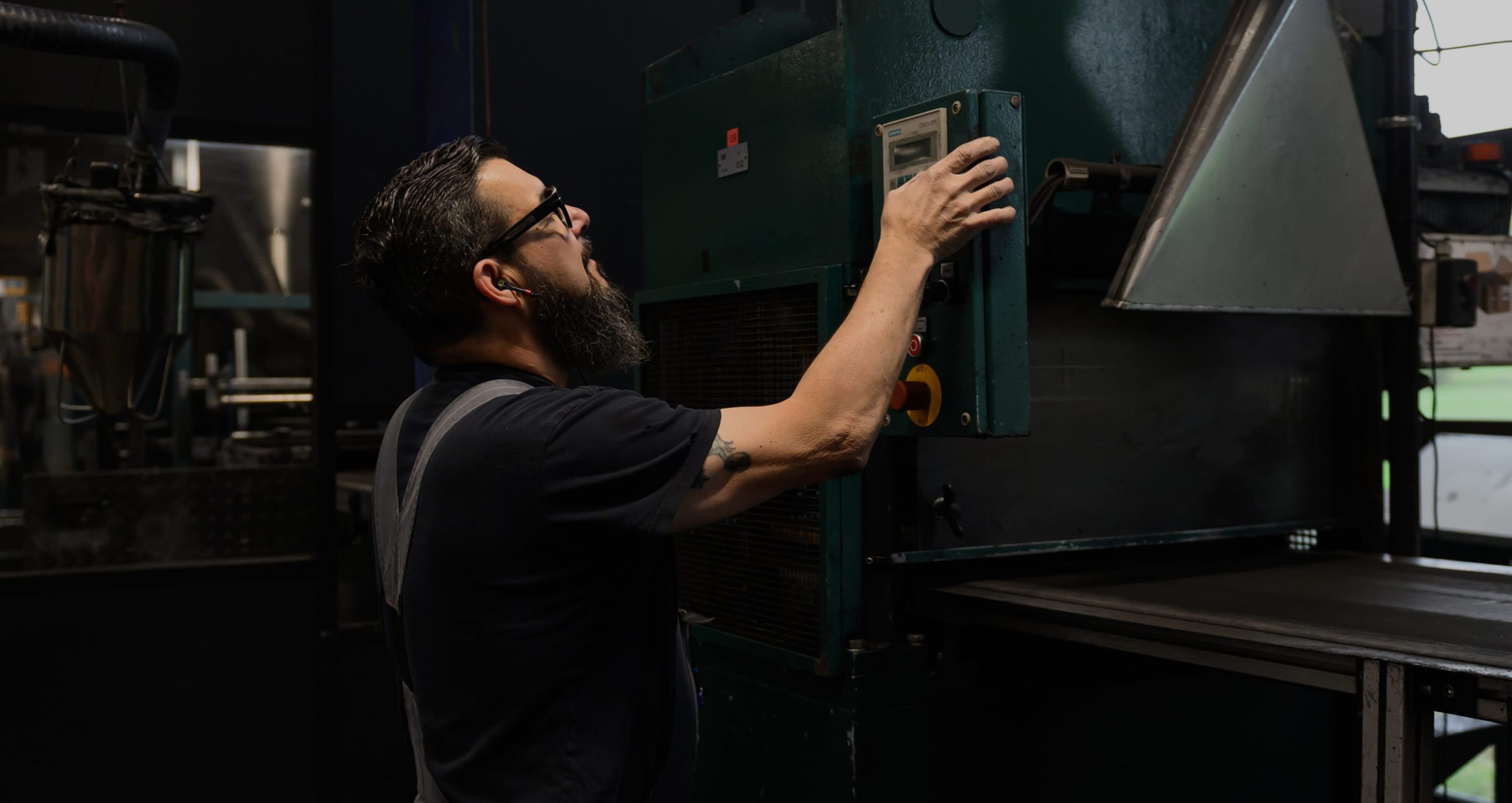
The company grew into a footprint that puts engineering next to the client. Manufacturing sits where the client builds, the decision sits at the production site, and lead times run in days.
When decades of experience became a connected system for future solutions
By 2013, Pinta was no longer shaped by single products or isolated material decisions. Decades of projects, customer requirements, production experience and application knowledge had become something larger — a system of thinking.
Archive fragments, key dates, material references and product evolution started to tell one connected story: every solution was built from what came before, but adapted to the task in front of it.
The company’s knowledge did not stay in the archive. It became a working tool — helping teams move faster, make better decisions and turn proven experience into the next generation of solutions.
-
Archive fragments
Early records, photographs and internal materials show how Pinta’s way of working developed over time — through real projects, people and decisions.
-
Key dates
Milestones that changed the company — new sites, new markets and the decisions that shaped how Pinta works today.
-
Material references
Tested build-ups, densities and material combinations collected over decades, ready to be reused and adapted.
-
Product evolution
How solutions grew from single parts into connected systems, generation by generation, task by task.

«Wo pinta drauf steht, ist illbruck drin.»
The name on the outside changed. The engineering inside carried through — the same materials knowledge, the same teams, the same standard
-
Challenge
Every solution starts with the task
We first look at the application, operating conditions, performance requirements, and production context. The goal is to understand what the product needs to withstand, protect, improve, or make possible before any material decision is made.
-
Engineering
The requirement becomes a solution logic
Our teams translate the challenge into geometry, material direction, manufacturing process, documentation, and validation needs. Engineering defines how the product should work in real use — not only how it should be made.
-
Application
The solution is built for where it will be used
The final product is shaped around its real environment: a train, an aircraft, a medical system, a filter, a building, or another demanding application. The material is selected last, once the task and engineering direction are clear.
Where we manufacture
Switzerland. France. The United States. Mexico.
Manufacturing next to the client, decisions at the site, lead times in days

Courgenay, Switzerland
Courgenay brings Pinta’s headquarters, engineering and manufacturing together in Switzerland. The team…
People moving industries forward
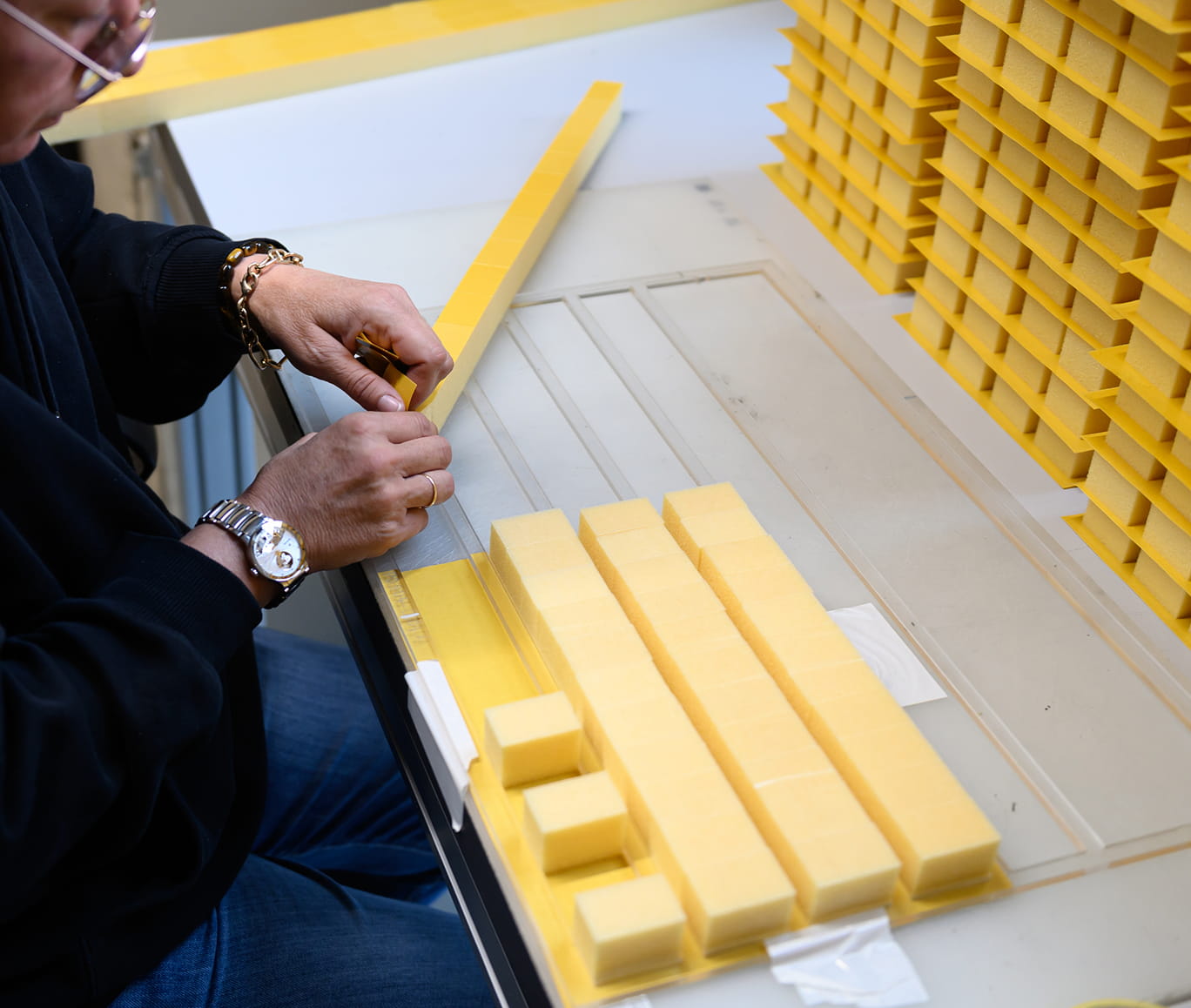
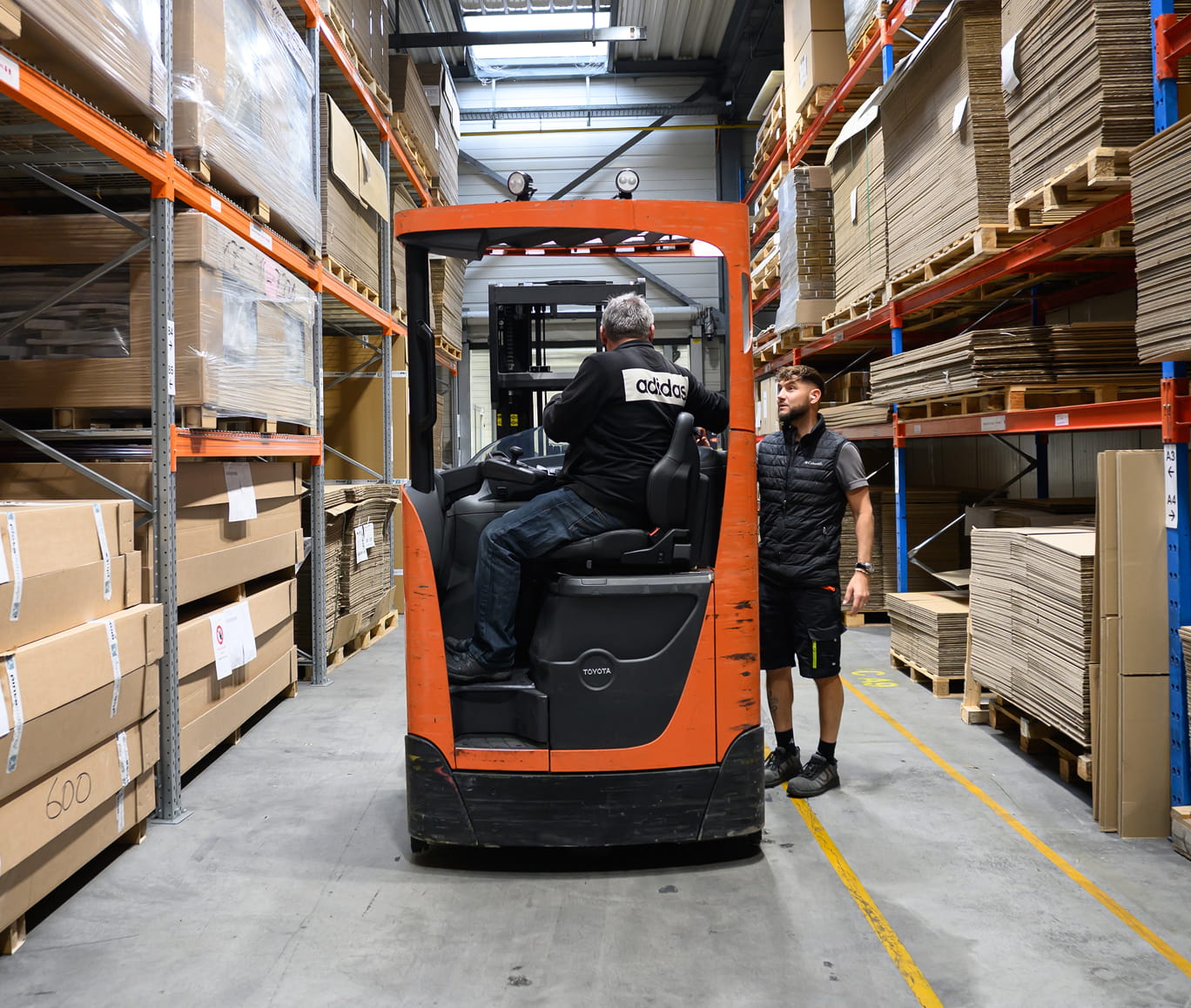
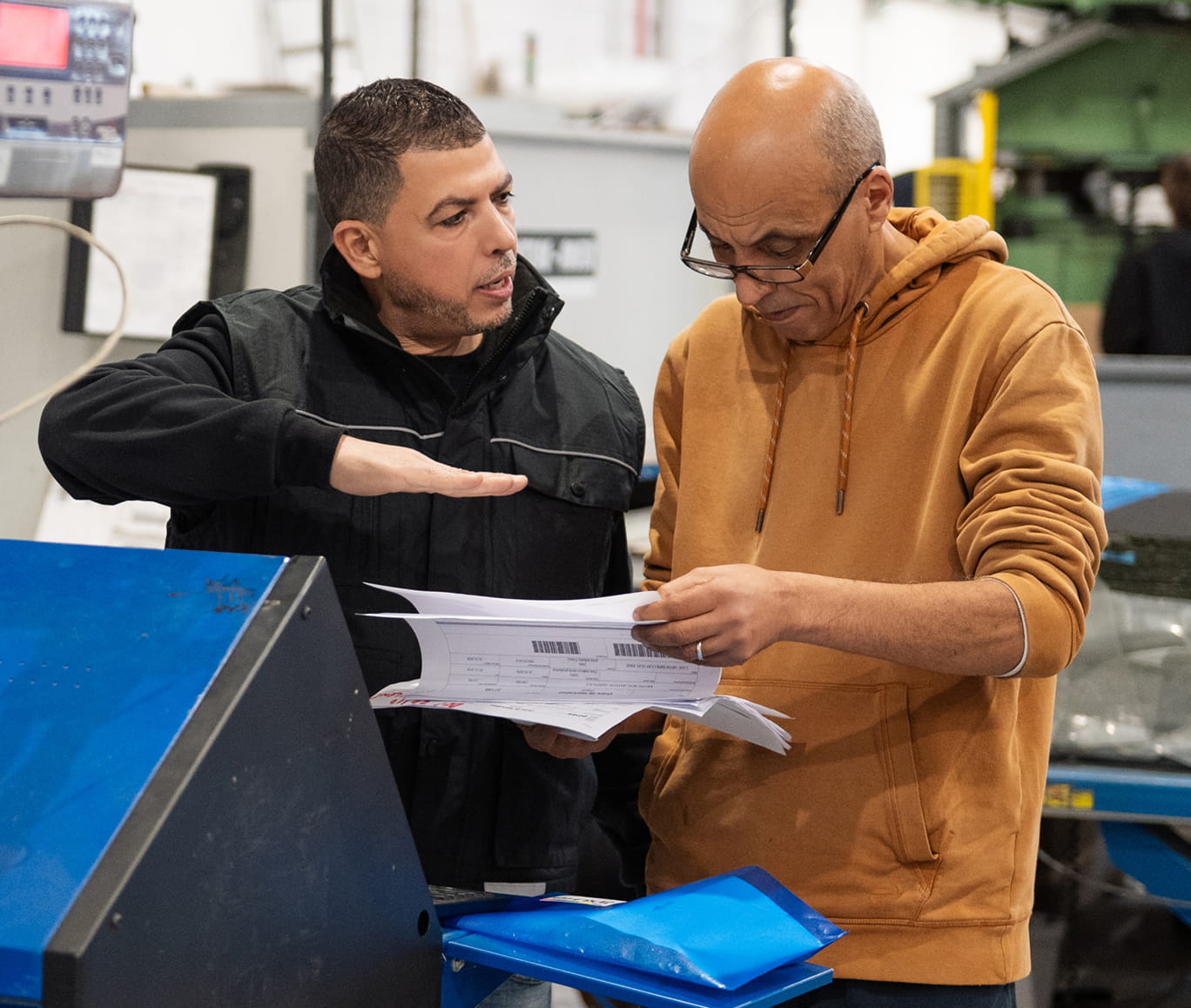
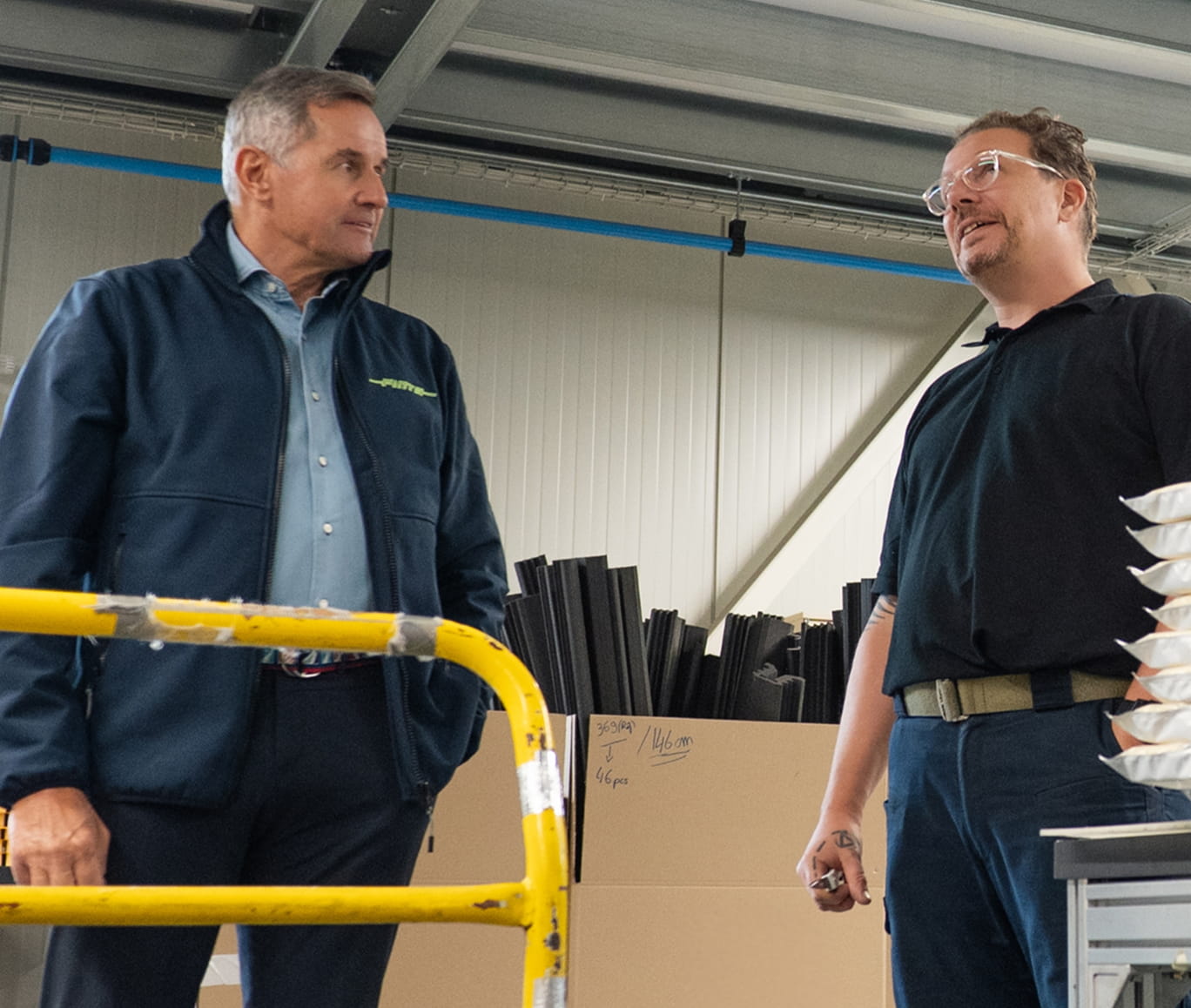
The work leaves the site as a component and arrives inside a train, an aircraft, an operating room, a filter. The people who make it know exactly where it goes.
Voices from inside Pinta
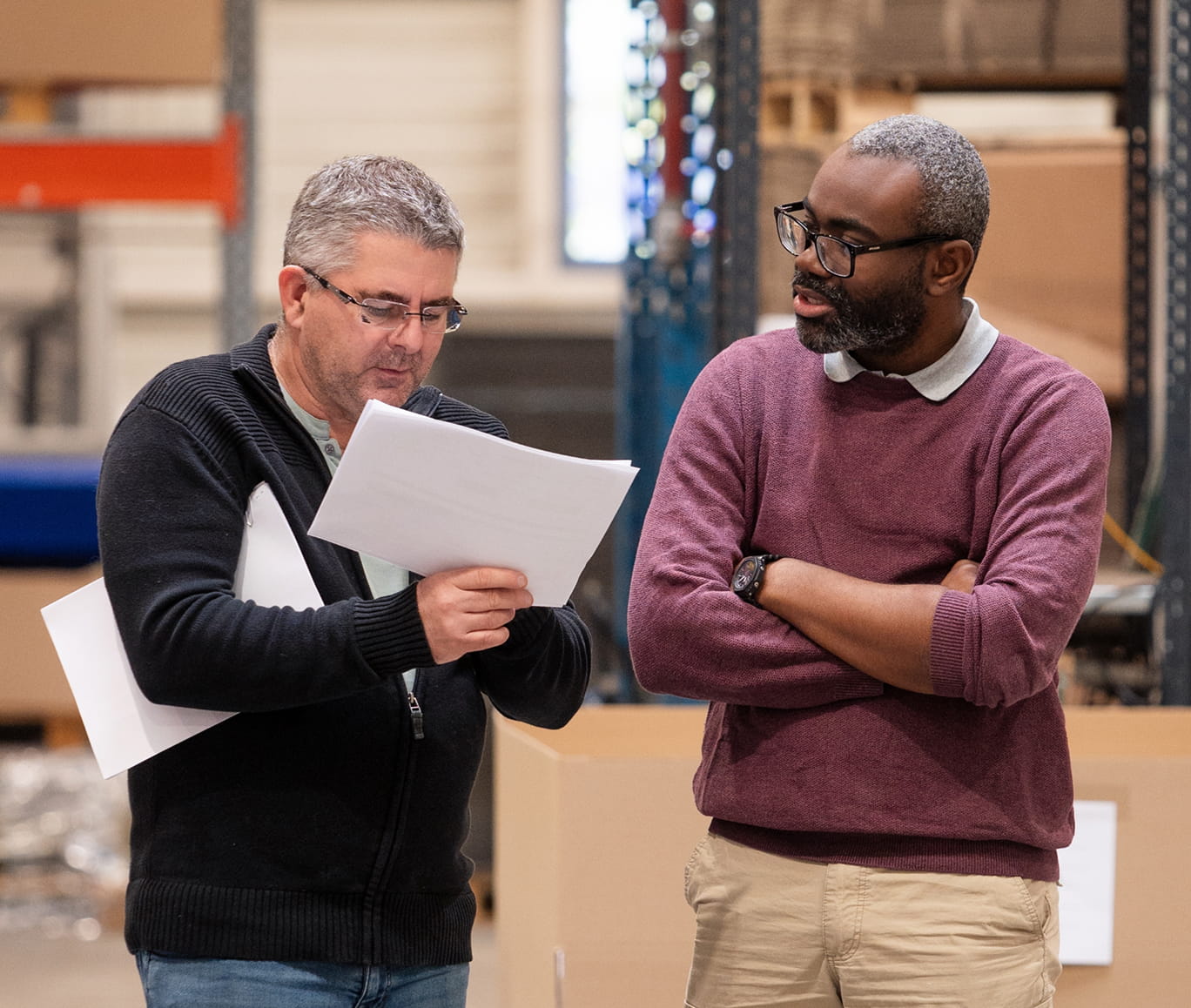
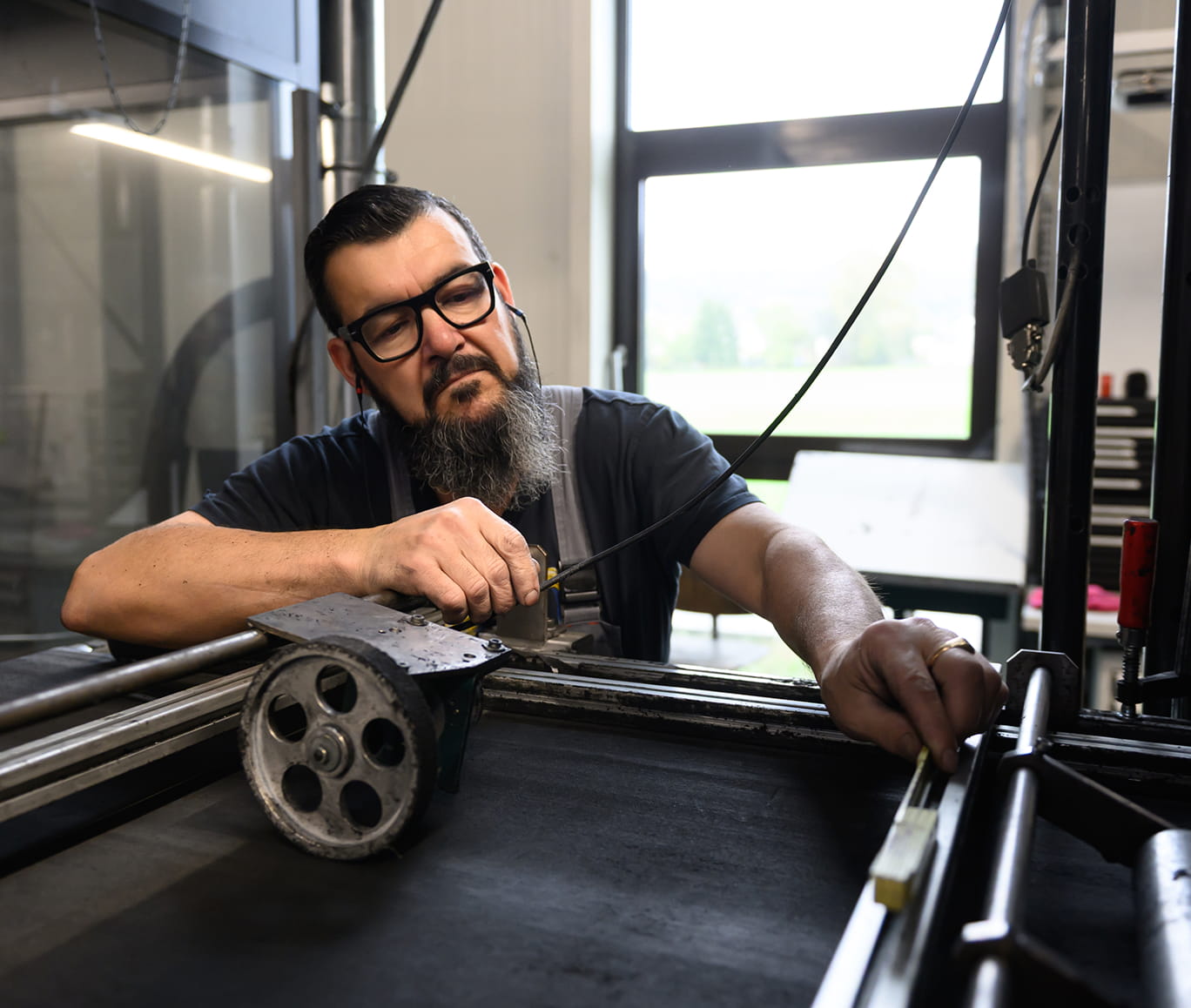
People inside Pinta share how they think about quality, responsibility, teamwork, and the work behind every solution.
-
“No one of us is smarter than ALL of us.”
-
“Every current challenge is an opportunity to try something different and improve the outcome.”
-
“I have learned discipline, precision, patience, and the importance of never giving up when facing a technical challenge.”
-
“Every product represents the knowledge, experience, and commitment of people who genuinely care about delivering quality.”
-
“The people, the expertise, and the sense of belonging.”
-
“We do not sell a specific technique or technology or a price — we create trust.”
75 years.
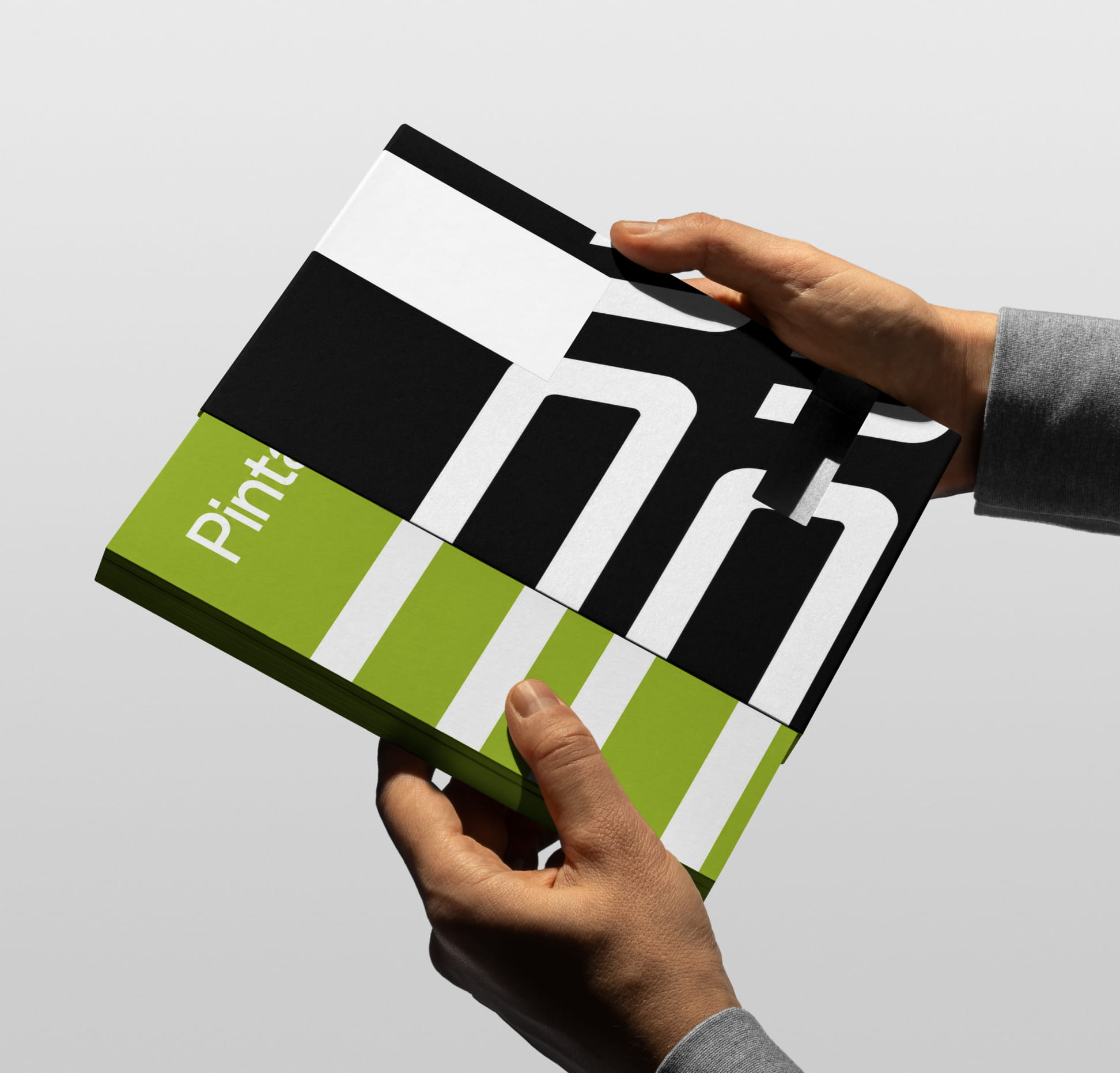
One book
The people, the ideas and the moments that shaped Pinta — and where the story goes next.
Download the Pinta Book